




FAST TRACT IT SERVICE L.L.C delivers expert guidance to help organizations implement effective cloud cost optimization strategies while maintaining performance, security, and scalability in today’s competitive digital landscape.
Cloud computing has revolutionized how businesses operate. It offers scalability, flexibility, and access to advanced technologies without heavy upfront capital investment. However, as cloud adoption accelerates, many organizations are discovering that costs can quickly spiral out of control. Without a structured financial governance framework, cloud spending becomes unpredictable and inefficient.
For business leaders, understanding and implementing smart cloud cost optimization strategies is no longer optional—it is a critical component of sustainable growth and digital transformation.
Why Cloud Costs Are Increasing for Modern Businesses
Cloud platforms operate on a consumption-based pricing model. While this provides flexibility, it can also lead to hidden inefficiencies.
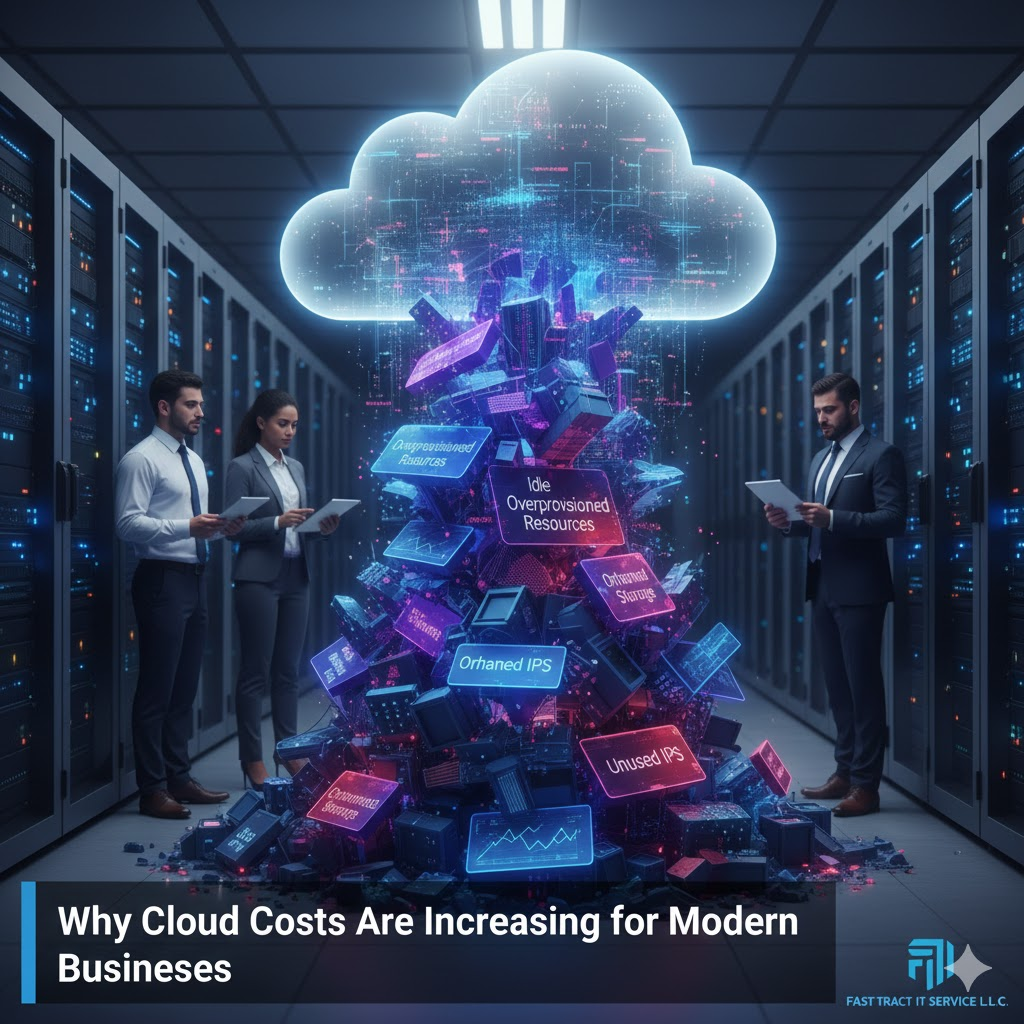
Common causes of rising cloud costs include:
- Overprovisioned resources
- Idle or unused instances
- Poor workload planning
- Lack of visibility across departments
- Uncontrolled multi-cloud deployments
Without oversight, decentralized purchasing decisions and rapid scaling can create budget overruns.
Effective cloud cost optimization strategies address these root causes while aligning spending with business value.
Understanding Cloud Financial Management (FinOps)
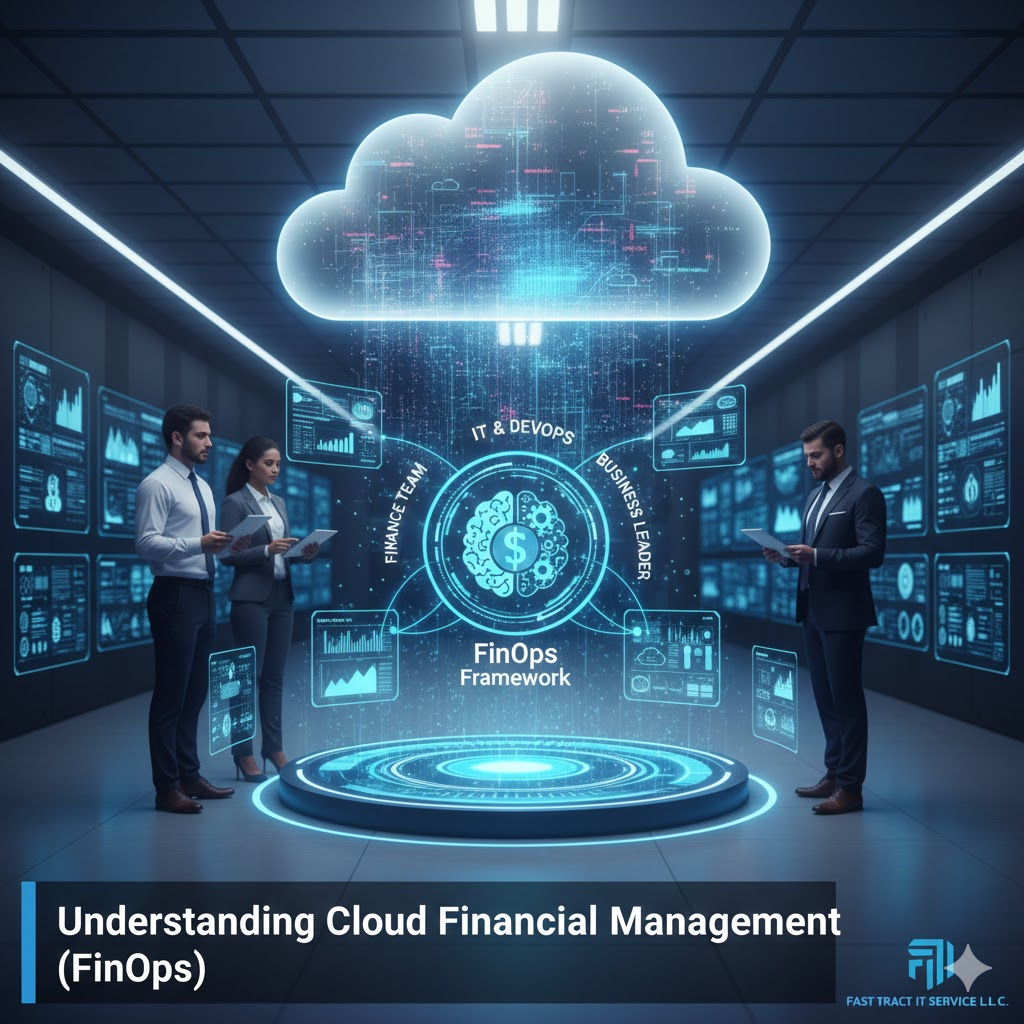
One of the most important developments in recent years is FinOps—short for Financial Operations. FinOps is a collaborative approach that brings together finance, IT, and operations teams to manage cloud spending efficiently.
The Core Principles of FinOps
A strong FinOps framework includes:
- Real-time cost visibility
- Shared accountability across teams
- Data-driven decision-making
- Continuous optimization
By adopting FinOps practices, organizations ensure that cloud investments deliver measurable ROI.
Key Cloud Cost Optimization Strategies Business Leaders Must Implement
To control cloud expenses without limiting innovation, companies must apply structured optimization techniques.
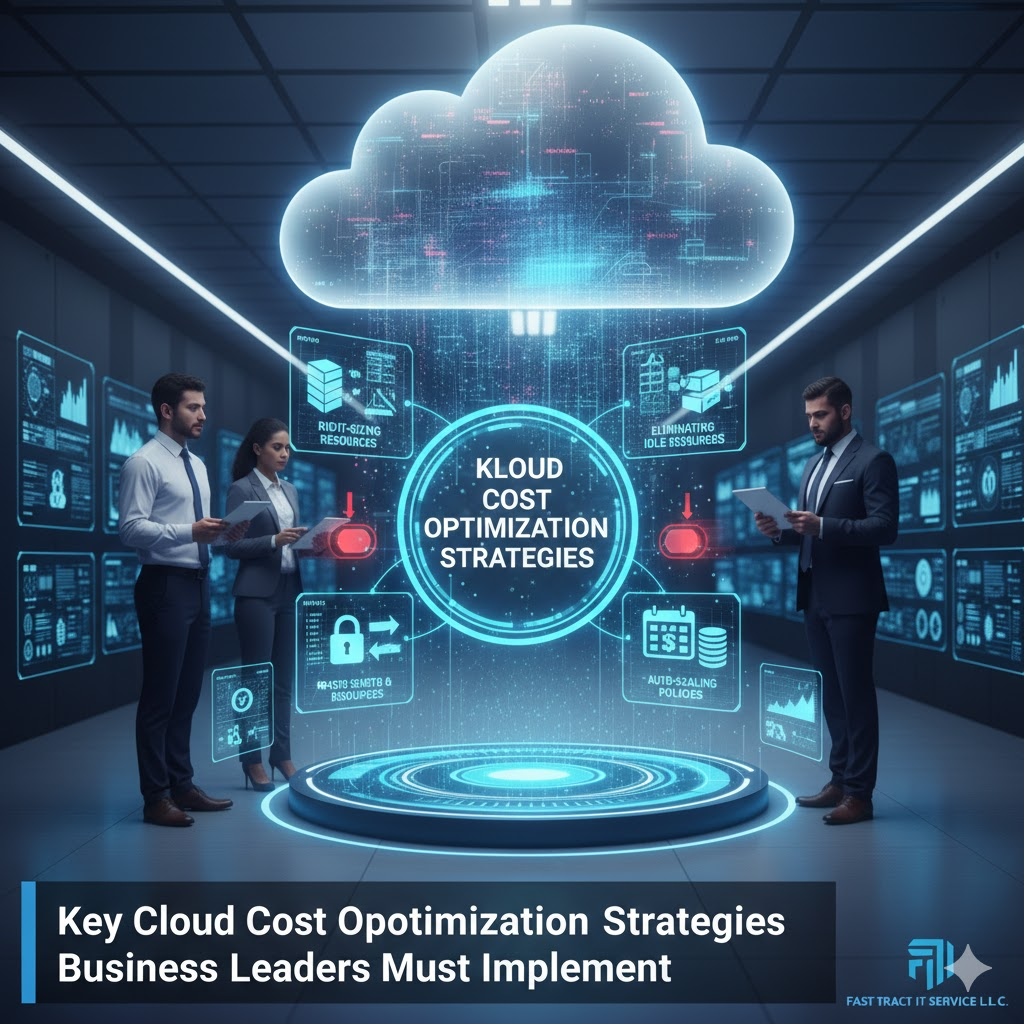
1. Right-Sizing Resources
Overprovisioning is one of the most common causes of wasted cloud spend.
Right-sizing involves:
- Monitoring CPU and memory utilization
- Reducing oversized instances
- Aligning resource capacity with actual workload demand
Automated tools can analyze performance data and recommend adjustments in real time.
Proper right-sizing is one of the most effective cloud cost optimization strategies available.
2. Eliminating Idle and Unused Resources
Many organizations pay for resources that are no longer needed.
Examples include:
- Idle virtual machines
- Orphaned storage volumes
- Unattached IP addresses
- Forgotten development environments
Implementing automated shutdown policies and regular audits significantly reduces unnecessary expenses.
3. Leveraging Reserved and Savings Plans
Public cloud providers offer pricing discounts for long-term commitments.
Businesses can reduce costs by:
- Purchasing reserved instances
- Using savings plans
- Committing to predictable workloads
These purchasing models offer significant discounts compared to on-demand pricing.
4. Implementing Auto-Scaling Policies
Cloud environments allow dynamic scaling based on workload demand.
Auto-scaling ensures:
- Resources expand during peak traffic
- Resources shrink during low demand
- No unnecessary overprovisioning
This approach balances performance with cost efficiency.
5. Optimizing Storage Costs
Storage expenses can grow rapidly, especially as data volumes increase.
Effective storage-related cloud cost optimization strategies include:
- Moving infrequently accessed data to lower-cost tiers
- Implementing lifecycle policies
- Deleting duplicate or outdated data
- Compressing archived files
Storage tiering can significantly reduce long-term cloud spending.
Multi-Cloud and Cost Complexity
While multi-cloud strategies improve flexibility and reduce vendor lock-in, they also increase cost management complexity.
Centralized Cost Visibility
To manage spending across multiple providers, organizations should:
- Use unified cloud cost management platforms
- Standardize reporting across environments
- Implement tagging policies for resource tracking
Without centralized oversight, multi-cloud costs can become fragmented and difficult to control.
Aligning Cloud Spending with Business Value
Cloud investments must support strategic objectives. Leaders should evaluate whether each workload contributes measurable business value.
Workload Assessment Framework
Before deploying new resources, ask:
- Does this workload drive revenue?
- Can it be optimized or consolidated?
- Is cloud the most cost-effective environment?
- Should it run in public, private, or hybrid infrastructure?
Strategic placement improves efficiency and reduces waste.
Governance and Policy Enforcement
Strong governance frameworks are essential for sustainable cost management.
Tagging and Resource Accountability
Implementing mandatory tagging policies helps track:
- Department ownership
- Project allocation
- Environment classification (production, testing, development)
This transparency increases accountability and improves budget forecasting.
Budget Alerts and Spending Controls
Cloud platforms allow businesses to:
- Set spending limits
- Configure automated alerts
- Restrict resource provisioning
These controls prevent unexpected budget overruns.
The Role of Automation in Cloud Cost Optimization
Manual cost management is inefficient and prone to errors. Automation enhances visibility and efficiency.

AI-Driven Cost Analytics
Modern cloud platforms leverage AI to:
- Predict future spending
- Identify anomalies
- Recommend optimization actions
AI-powered analytics strengthen proactive decision-making.
Infrastructure as Code (IaC) for Cost Control
Infrastructure as Code improves cost governance by:
- Standardizing deployments
- Preventing unnecessary resource creation
- Enforcing predefined configuration policies
Automated deployment reduces the risk of financial mismanagement.
Balancing Cost Optimization with Performance and Security
Cost reduction should never compromise performance or security.
Avoiding Over-Optimization
Aggressive cost-cutting can lead to:
- Performance degradation
- Increased latency
- Reduced customer satisfaction
Optimization must maintain service-level agreements (SLAs).
Security as a Non-Negotiable Investment
Cutting costs in cybersecurity tools or monitoring systems can expose organizations to major risks. A security breach often costs far more than any potential savings.
Smart cloud cost optimization strategies balance financial efficiency with operational resilience.
Cloud Cost Optimization in Hybrid and Edge Environments
As hybrid and edge computing expand, cost management becomes more complex.
Leaders must consider:
- Data transfer fees
- Cross-region traffic costs
- Edge infrastructure expenses
- Hybrid integration overhead
Comprehensive cost modeling ensures sustainable scaling across distributed architectures.
Measuring the Success of Cost Optimization Initiatives
Optimization efforts should be measurable.
Key performance indicators (KPIs) include:
- Cost per workload
- Cost per customer
- Resource utilization rates
- Cloud spend as a percentage of revenue
- Savings from reserved instances
Continuous monitoring ensures long-term financial control.
The Strategic Role of Leadership in Cloud Cost Management
Cloud cost optimization is not solely an IT responsibility. Executive leadership must:
- Promote financial accountability
- Support cross-department collaboration
- Invest in FinOps frameworks
- Encourage data-driven budgeting
When leadership prioritizes cost governance, organizations achieve better financial outcomes.
The Future of Cloud Cost Optimization Strategies
Looking ahead, cloud financial management will continue evolving through:
- AI-powered autonomous optimization
- Real-time predictive scaling
- Advanced cross-cloud analytics
- Sustainable resource consumption models
Organizations that embed cost optimization into their digital strategy will gain a competitive advantage.
Cloud efficiency is no longer about cutting expenses—it is about maximizing value.
Conclusion
Cloud computing offers unmatched scalability and innovation potential, but without structured oversight, costs can quickly escalate. Implementing effective cloud cost optimization strategies enables organizations to control spending, improve resource efficiency, and align technology investments with business goals.
Business leaders who embrace FinOps principles, automation, governance policies, and data-driven decision-making can transform cloud spending into a strategic asset rather than a financial burden.
FAST TRACT IT SERVICE L.L.C partners with organizations to design and implement intelligent cloud cost optimization strategies that enhance performance, security, and long-term profitability in an increasingly competitive digital economy.