





FAST TRACT IT SERVICE L.L.C explores how emerging digital platform technologies are transforming the way organizations build, scale, and secure modern digital ecosystems in 2026 and beyond.
Digital platforms are no longer simple websites or isolated applications. They are interconnected ecosystems that power e-commerce, financial services, healthcare systems, enterprise collaboration, customer engagement, and data analytics. As user expectations rise and competitive pressure intensifies, businesses must continuously evolve their platforms to remain relevant.
The rise of emerging digital platform technologies is redefining scalability, personalization, automation, and resilience across industries.
The Evolution of Digital Platforms
Modern digital platforms have evolved from static systems into dynamic, data-driven environments.
From Monolithic Systems to Modular Architectures
Traditional monolithic platforms often struggled with:
- Limited scalability
- Slow feature deployment
- High maintenance complexity
- Difficult integrations
Emerging digital platform technologies now prioritize microservices, APIs, and cloud-native development to ensure flexibility and speed. These architectural shifts are foundational elements of a comprehensive digital transformation strategy designed to modernize enterprise platforms.
Artificial Intelligence and Machine Learning Integration
AI is one of the most influential forces shaping digital platforms.
Intelligent Personalization
AI-powered systems enable platforms to:
- Analyze user behavior in real time
- Deliver personalized recommendations
- Predict customer needs
- Optimize digital journeys
Personalization strengthens engagement and customer loyalty.
Predictive Analytics
Machine learning models enhance decision-making by:
- Forecasting demand
- Detecting fraud patterns
- Identifying operational bottlenecks
- Optimizing resource allocation
AI-driven insights create measurable business value.
Cloud-Native Architecture and Edge Computing
Cloud adoption continues accelerating across industries.
Scalable Infrastructure
Cloud-native platforms offer:
- On-demand resource allocation
- Automatic scaling
- Reduced infrastructure costs
- High availability
Emerging digital platform technologies leverage hybrid and multi-cloud environments to improve resilience.
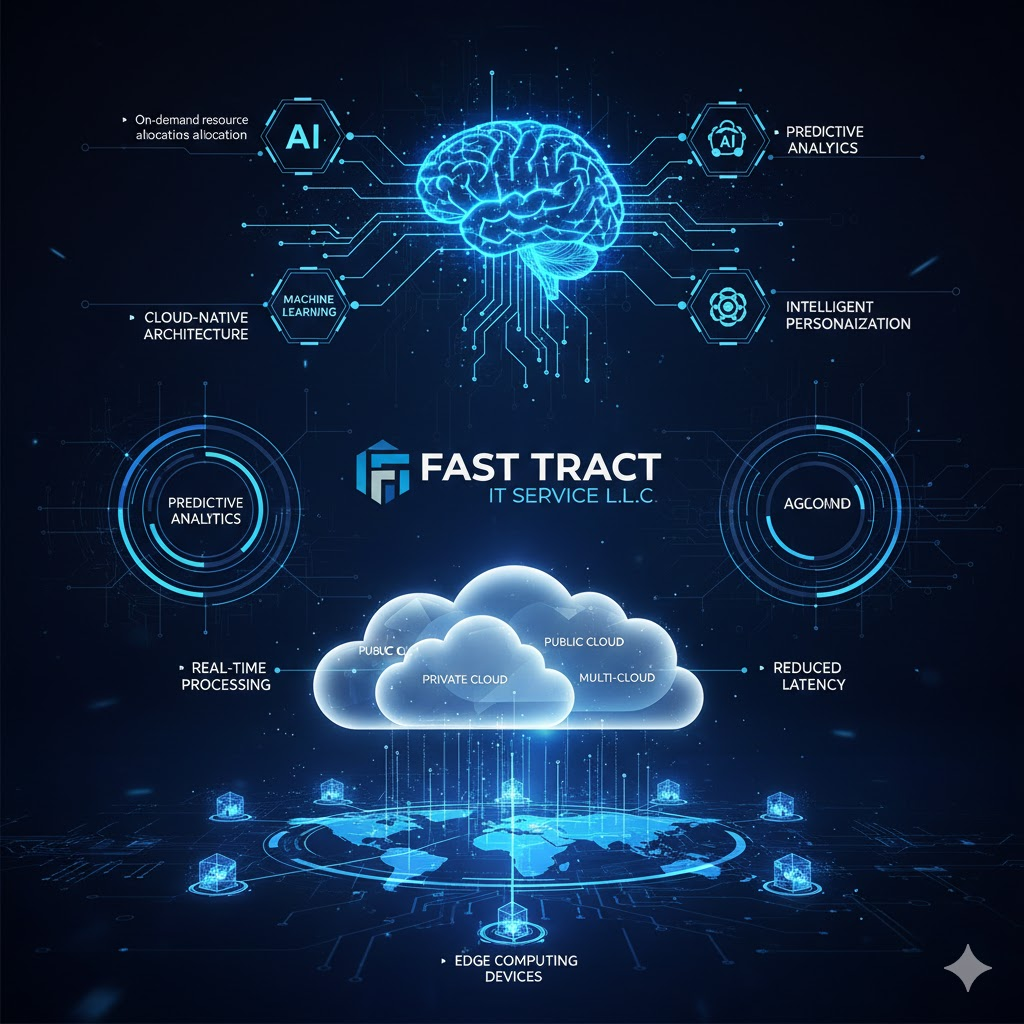
Edge Computing for Real-Time Processing
Edge technology allows data to be processed closer to users, enabling:
- Reduced latency
- Faster application performance
- Improved IoT integration
- Real-time analytics capabilities
Edge computing enhances user experience in geographically distributed systems.
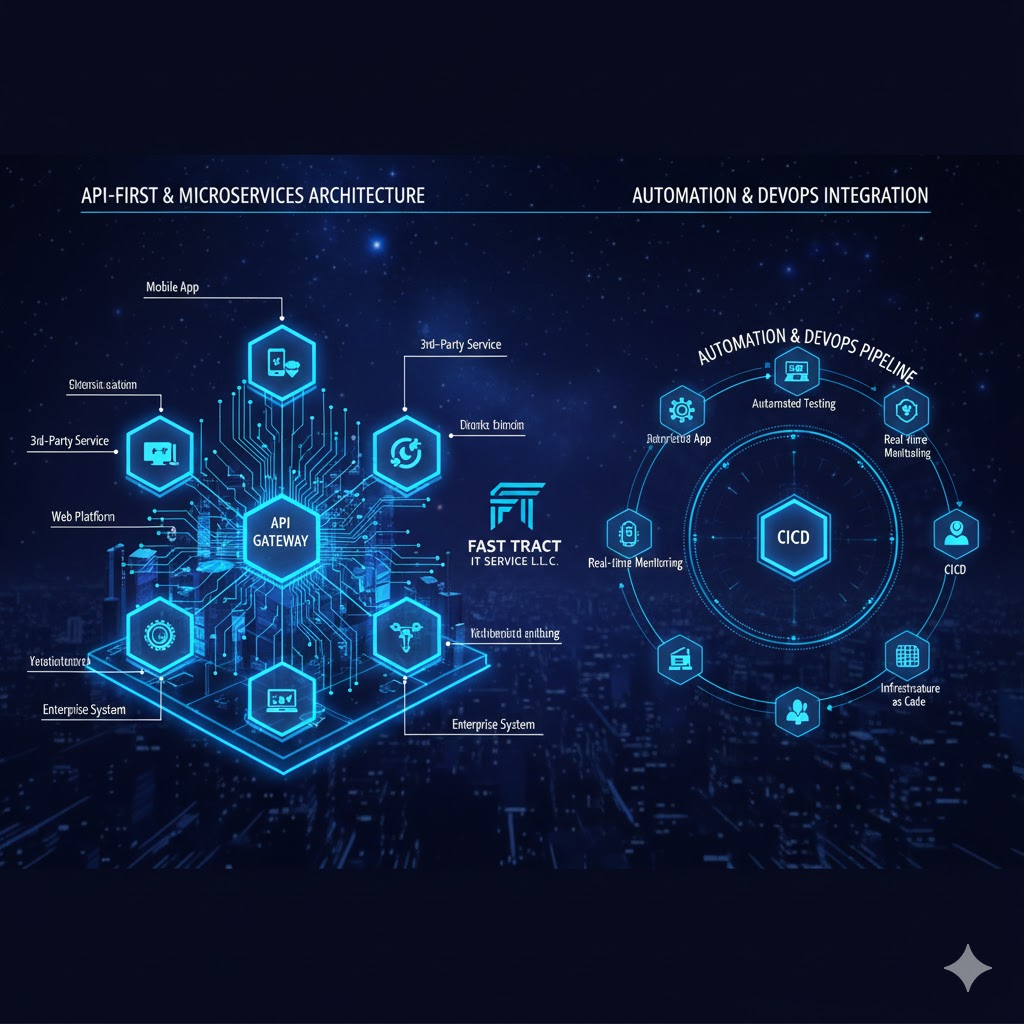
API-First and Microservices Development
Flexibility is critical for digital growth.
API-Driven Ecosystems
APIs allow seamless integration between:
- Mobile applications
- Web platforms
- Third-party services
- Enterprise systems
API-first development supports interoperability and faster innovation cycles.
Microservices Architecture
Microservices break applications into independent components that can be updated individually.
Benefits include:
- Faster feature deployment
- Reduced downtime
- Improved scalability
- Easier maintenance
This modular approach is central to emerging digital platform technologies.
Automation and DevOps Integration
Automation enhances operational efficiency.
Continuous Integration and Deployment (CI/CD)
Modern platforms implement:
- Automated testing pipelines
- Real-time monitoring
- Infrastructure as Code (IaC)
- Self-healing systems
Automation reduces human error and accelerates development cycles.
Cybersecurity and Zero Trust Frameworks
As platforms grow more complex, security must evolve.
Zero Trust Security Models
Emerging digital platform technologies integrate:
- Identity-based access controls
- Continuous authentication
- Network micro-segmentation
- Real-time threat detection
Security is embedded into platform design rather than layered afterward.
Advanced Encryption and Data Protection
Data privacy regulations require strong protection mechanisms.
Modern platforms utilize:
- End-to-end encryption
- Tokenization
- Secure API gateways
- Compliance monitoring tools
Robust cybersecurity frameworks protect user trust.

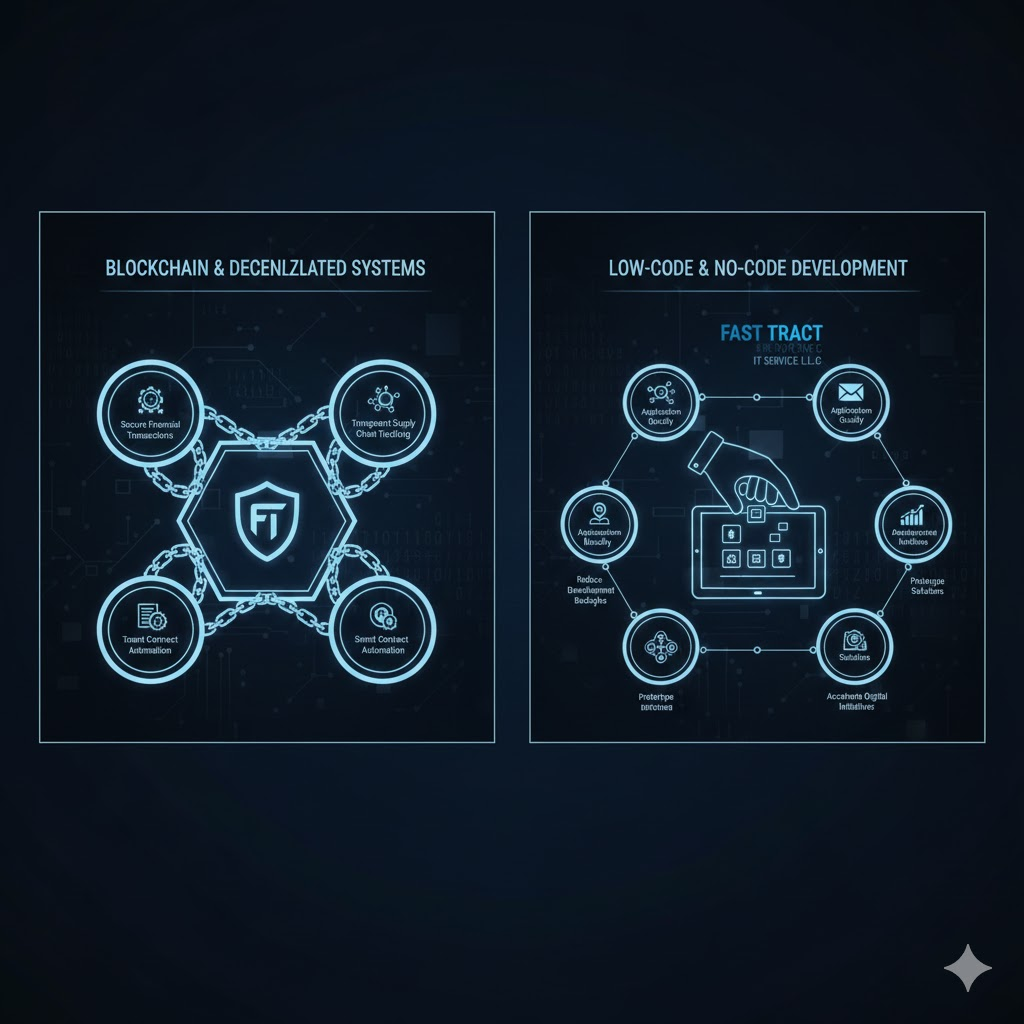
Blockchain and Decentralized Systems
Blockchain is reshaping trust in digital ecosystems.
Transparent Transactions
Blockchain enables:
- Secure financial transactions
- Transparent supply chain tracking
- Smart contract automation
- Tamper-proof record management
Decentralized technologies enhance security and transparency.
Low-Code and No-Code Development
Rapid innovation demands faster development cycles.
Democratizing Platform Development
Low-code tools empower organizations to:
- Build applications quickly
- Reduce development backlogs
- Enable business teams to prototype solutions
- Accelerate digital initiatives
This trend expands innovation capacity across enterprises.
Internet of Things (IoT) Integration
Connected devices are expanding digital ecosystems.
Real-Time Device Communication
Emerging digital platform technologies enable:
- IoT data collection
- Predictive maintenance systems
- Smart environment monitoring
- Automated operational controls
IoT integration strengthens data visibility and operational efficiency.
Enhanced User Interface and Experience (UI/UX) Technologies
User expectations continue rising.
Immersive Experiences
Modern platforms increasingly incorporate:
- Augmented reality (AR)
- Virtual reality (VR)
- Voice-activated interfaces
- Gesture-based navigation
Interactive experiences differentiate brands in competitive markets. Organizations that invest in advanced interactive digital systems for real-time customer engagement gain measurable advantages in retention, personalization, and revenue growth.
Data Governance and Compliance Automation
Digital platforms must adhere to global regulatory standards.
Automated Compliance Monitoring
Advanced systems track:
- Data access patterns
- Privacy consent management
- Regulatory updates
- Audit readiness
Automation simplifies governance and reduces compliance risk.
Sustainability and Green IT Innovations
Environmental considerations influence digital strategy.
Energy-Efficient Platforms
Organizations adopt:
- Carbon-efficient cloud providers
- Resource optimization algorithms
- Sustainable infrastructure design
Green technology initiatives align with corporate social responsibility goals.
The Competitive Advantage of Early Adoption
Organizations that adopt emerging digital platform technologies early gain:
- Faster innovation cycles
- Stronger customer engagement
- Improved operational resilience
- Enhanced scalability
- Greater security posture
Early adoption supports long-term market leadership.
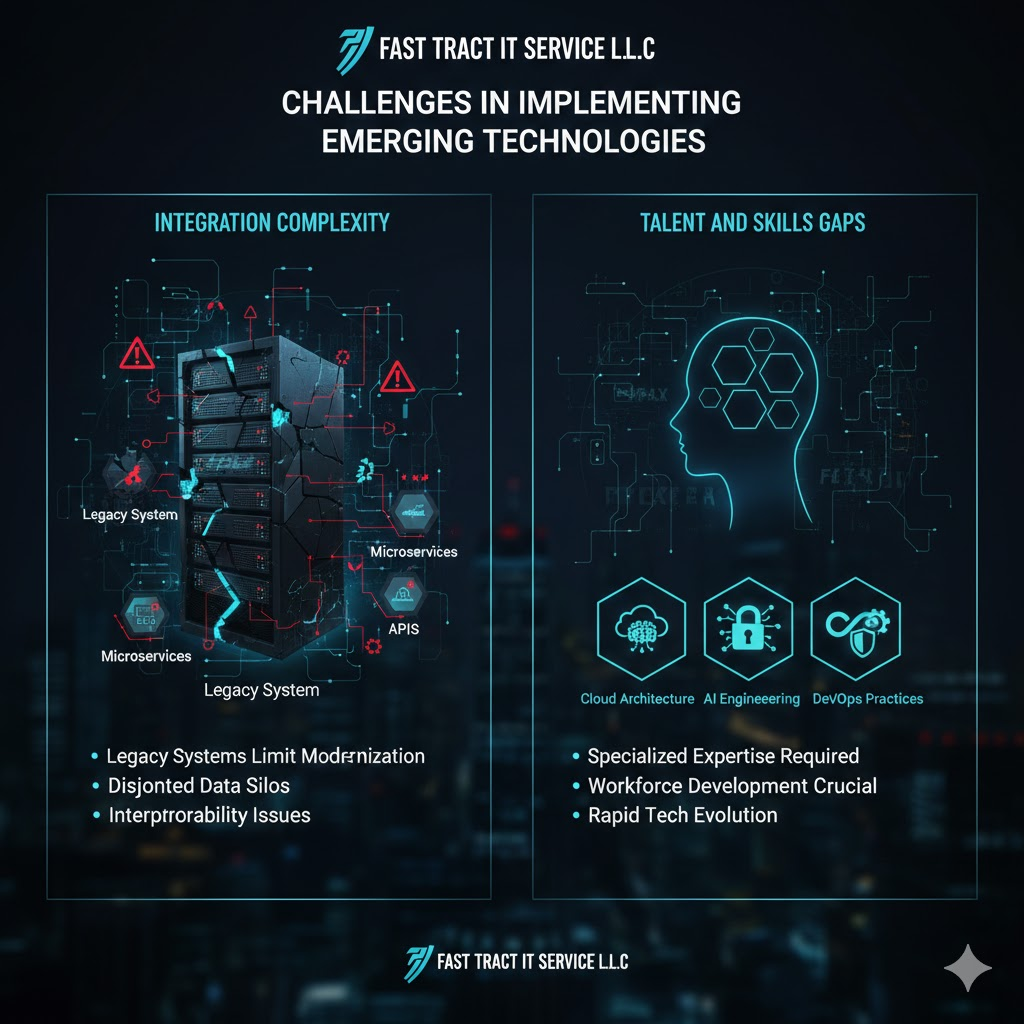
Challenges in Implementing Emerging Technologies
Despite the benefits, challenges remain.
Integration Complexity
Legacy systems may limit modernization efforts.
Talent and Skills Gaps
Emerging technologies require specialized expertise in:
- Cloud architecture
- AI development
- Cybersecurity engineering
- DevOps practices
Strategic workforce development is essential.
Preparing for the Future of Digital Platforms
The next generation of platforms will focus on:
- Autonomous operations powered by AI
- Hyper-personalized digital ecosystems
- Quantum-resistant encryption
- Intelligent edge computing
- Cross-platform integration at global scale
Continuous innovation is necessary to remain competitive.
Conclusion
Emerging digital platform technologies are reshaping how organizations build, scale, and secure digital ecosystems. From AI and cloud-native architecture to IoT integration and advanced cybersecurity frameworks, these innovations redefine competitive advantage in the digital economy.
Businesses that proactively adopt modern technologies gain agility, resilience, and stronger customer engagement. Those that delay risk falling behind in an increasingly technology-driven marketplace.
Future-ready platforms require strategic planning, secure infrastructure, and continuous innovation.
FAST TRACT IT SERVICE L.L.C partners with enterprises to implement advanced emerging digital platform technologies, delivering scalable, secure, and innovation-driven digital ecosystems that support long-term growth and competitive differentiation.