





FAST TRACT IT SERVICE L.L.C explores how interactive digital systems are redefining customer engagement, improving personalization, and reshaping the modern customer experience across industries.
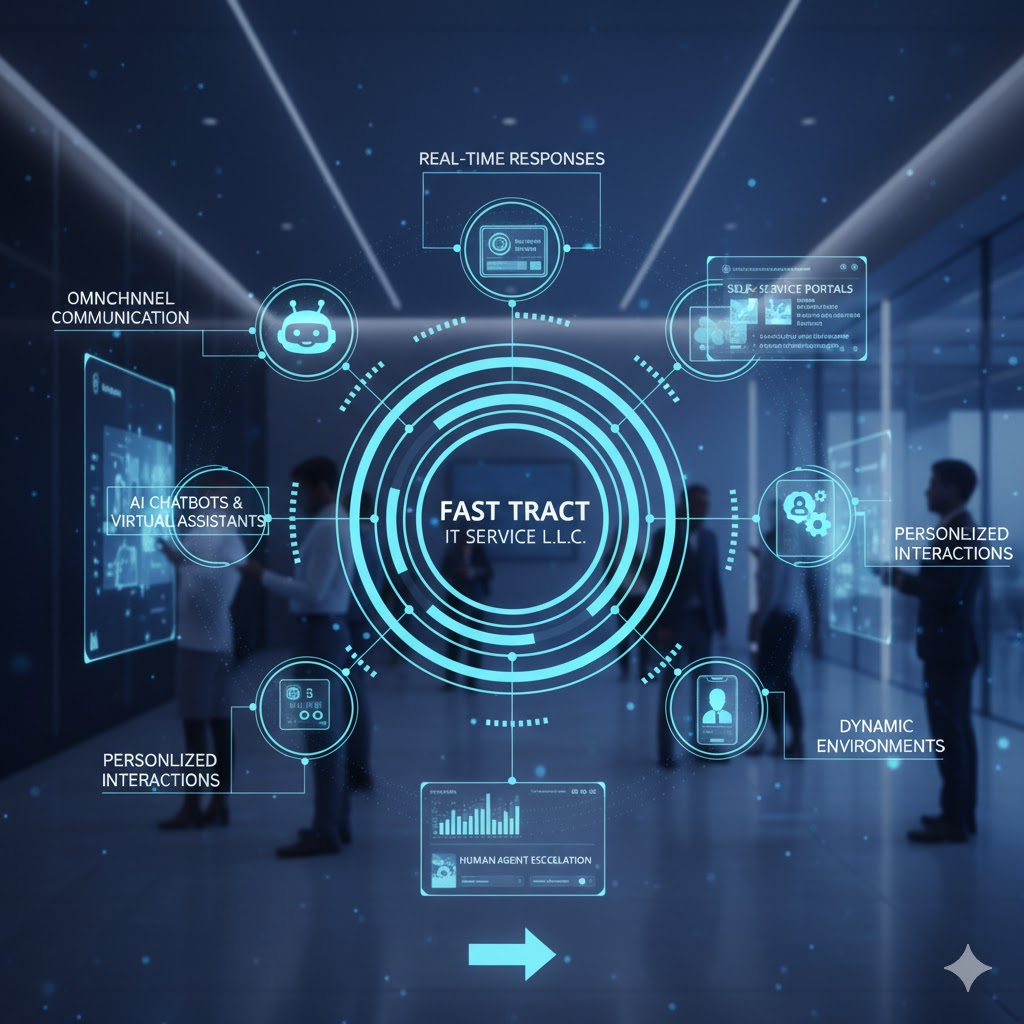
In 2026, customer expectations are higher than ever. Consumers demand real-time responses, seamless omnichannel communication, and personalized interactions across digital platforms. Traditional static websites and one-way communication tools are no longer enough. Businesses must create dynamic, responsive environments that engage users in meaningful ways.
This is where interactive digital systems play a transformative role. By combining automation, AI, data analytics, and real-time interfaces, organizations can deliver smarter, faster, and more engaging customer experiences. These systems are a critical component of a broader digital transformation strategy designed to create sustainable competitive advantage.
What Are Interactive Digital Systems?
Interactive digital systems are technology platforms that enable real-time, two-way engagement between businesses and users. These systems go beyond static content by allowing customers to interact, respond, customize, and receive immediate feedback.
Examples include:
- AI-powered chatbots
- Self-service portals
- Personalized dashboards
- Interactive mobile applications
- Virtual assistants
- Smart kiosks
- Customer engagement platforms
Unlike traditional digital systems, interactive digital systems adapt dynamically to user behavior.
The Shift from Passive to Active Engagement
Customer experience has evolved from passive browsing to active participation.
Real-Time Communication
Modern consumers expect:
- Instant support responses
- Live chat interactions
- Real-time order tracking
- Immediate account updates
Interactive digital systems enable businesses to respond quickly and consistently.
Personalized Experiences
AI-driven personalization allows organizations to:
- Recommend products based on behavior
- Customize content dynamically
- Offer location-based promotions
- Adapt messaging in real time
Personalization increases customer satisfaction and loyalty.
Enhancing Customer Support Efficiency
Customer support is one of the most visible areas impacted by interactive digital systems.
AI Chatbots and Virtual Assistants
Advanced conversational AI can:
- Answer common inquiries instantly
- Guide users through troubleshooting steps
- Escalate complex issues to human agents
- Operate 24/7 without downtime
This improves response time while reducing operational costs.
Self-Service Portals
Customers increasingly prefer self-service options. Interactive portals allow users to:
- Update account information
- Access billing records
- Submit support tickets
- Track service requests
Self-service tools empower customers and reduce pressure on support teams.
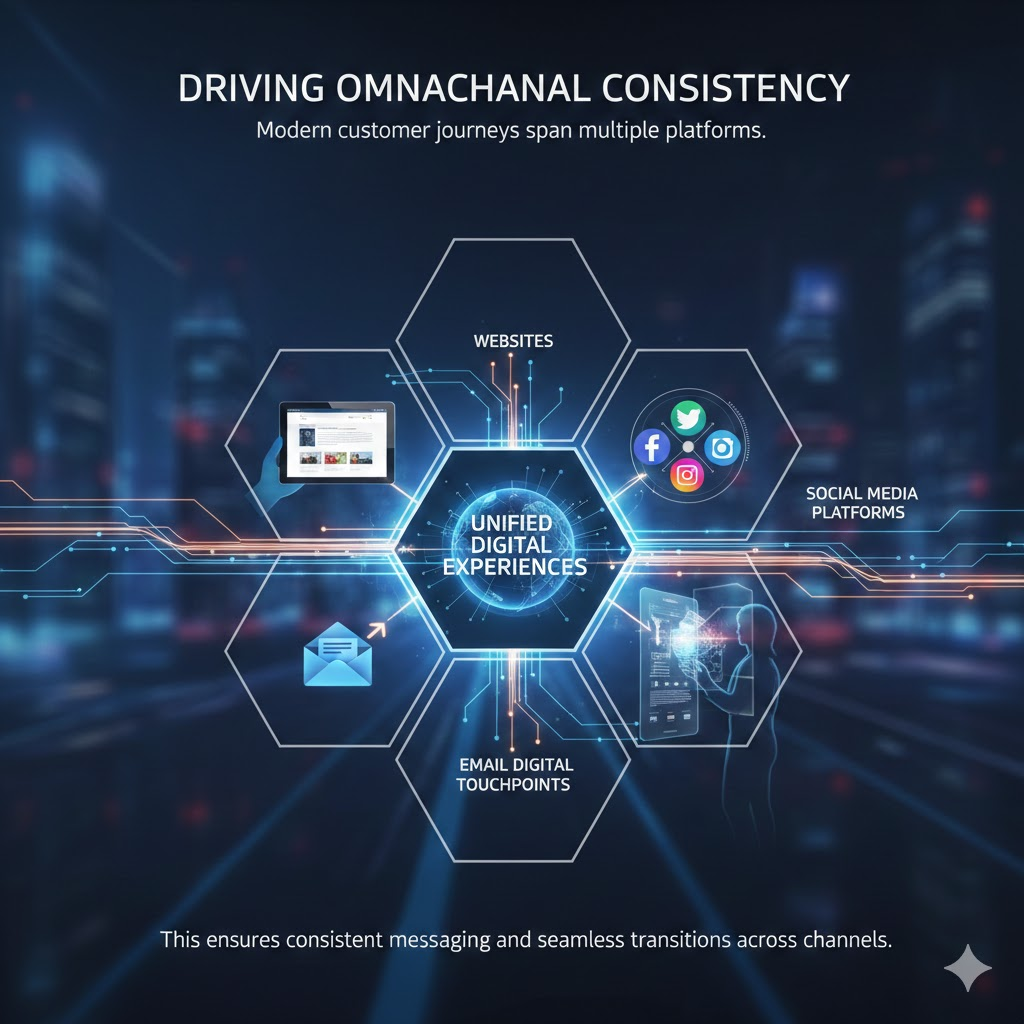
Driving Omnichannel Consistency
Modern customer journeys span multiple platforms.
Unified Digital Experiences
Interactive digital systems integrate:
- Websites
- Mobile apps
- Social media platforms
- Email systems
- In-store digital touchpoints
This ensures consistent messaging and seamless transitions across channels.
Data-Driven Customer Insights
One of the greatest strengths of interactive digital systems is the ability to collect real-time behavioral data.
Turning Interaction into Intelligence
Businesses can analyze:
- Click patterns
- Navigation behavior
- Purchase preferences
- Engagement duration
These insights inform strategic decisions and improve customer targeting. When supported by a structured approach to aligning IT investment with business objectives, interactive systems become measurable growth drivers rather than isolated digital tools.
Improving Conversion Rates and Revenue
Interactive engagement often translates into higher conversions.
Smart Recommendation Engines
AI-powered recommendation systems:
- Suggest complementary products
- Upsell relevant services
- Offer personalized discounts
Targeted engagement increases sales and average transaction value.
Interactive Digital Systems in Key Industries
Multiple sectors are leveraging interactive digital systems to enhance customer experience.
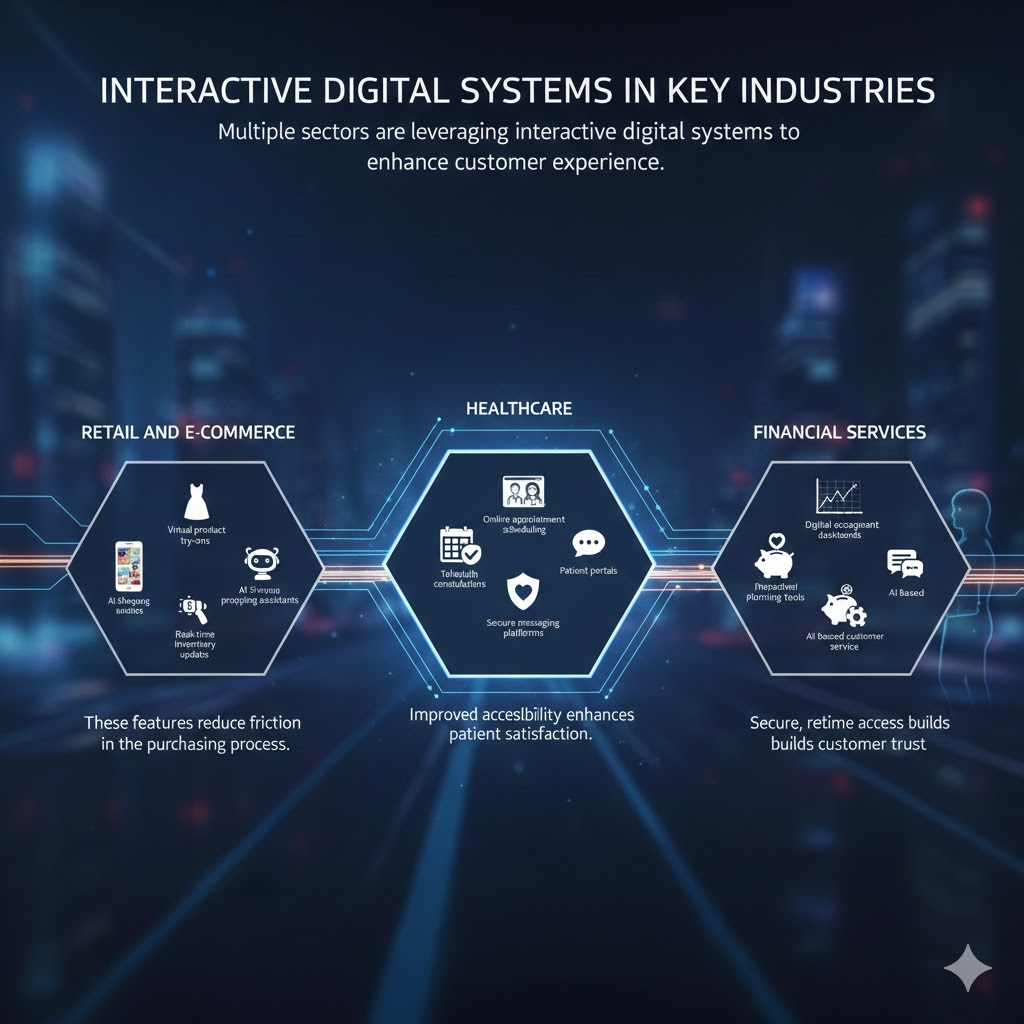
Retail and E-Commerce
Retailers use interactive tools for:
- Virtual product try-ons
- AI shopping assistants
- Personalized product feeds
- Real-time inventory updates
These features reduce friction in the purchasing process.
Healthcare
Healthcare providers implement interactive systems for:
- Online appointment scheduling
- Telehealth consultations
- Patient portals
- Secure messaging platforms
Improved accessibility enhances patient satisfaction.
Financial Services
Banks and financial institutions deploy:
- Digital account management dashboards
- Fraud alert systems
- Interactive financial planning tools
- AI-based customer service
Secure, real-time access builds customer trust.
Security and Trust in Interactive Systems
As digital interactions increase, cybersecurity becomes critical.
Protecting Customer Data
Organizations must ensure:
- Encrypted communications
- Secure authentication methods
- Compliance with privacy regulations
- Continuous system monitoring
Strong security strengthens brand credibility and customer confidence.
Integrating AI and Automation
Artificial intelligence enhances the intelligence of interactive digital systems.
Predictive Customer Support
AI systems can:
- Anticipate customer needs
- Detect frustration signals
- Suggest proactive solutions
Predictive engagement improves satisfaction and retention.
Challenges in Implementing Interactive Digital Systems
Despite their benefits, organizations may face obstacles.
Integration Complexity
Legacy systems may not easily integrate with modern interactive platforms.
Data Privacy Concerns
Increased personalization requires responsible data governance practices.
Workforce Adaptation
Employees must adapt to new workflows and digital tools.
Careful planning ensures smooth implementation.
Measuring Customer Experience Impact
To evaluate success, businesses should track:
- Customer satisfaction scores (CSAT)
- Net Promoter Score (NPS)
- Conversion rates
- Average response time
- Customer retention rates
Metrics provide insight into the effectiveness of interactive digital systems.
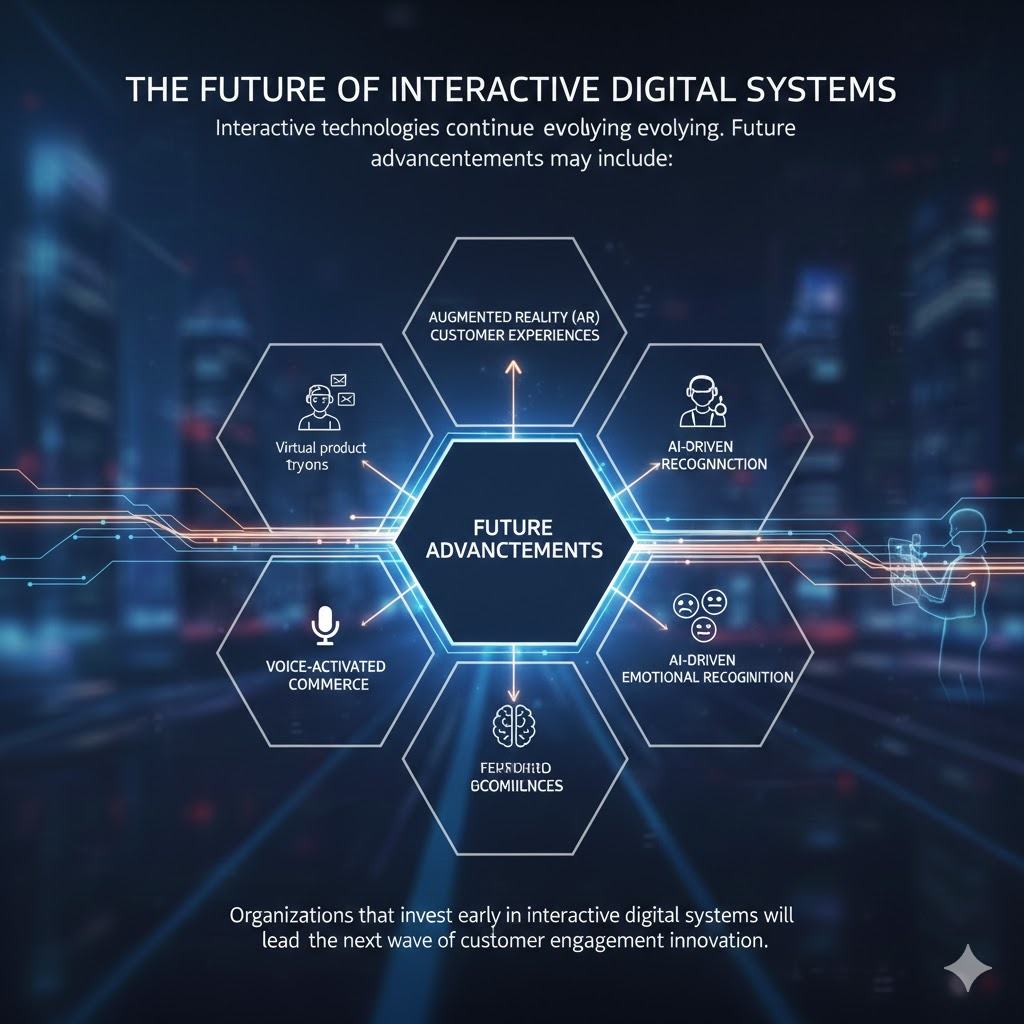
The Future of Interactive Digital Systems
Interactive technologies continue evolving.
Future advancements may include:
- Augmented reality (AR) customer experiences
- Voice-activated commerce
- AI-driven emotional recognition
- Hyper-personalized digital journeys
- Autonomous customer service systems
Organizations that invest early in interactive digital systems will lead the next wave of customer engagement innovation.
Competitive Advantage Through Interactivity
Interactive digital systems create differentiation in crowded markets.
Businesses gain:
- Faster response times
- Deeper customer insights
- Stronger brand loyalty
- Higher engagement rates
- Increased revenue opportunities
In a digital-first economy, engagement equals competitive advantage.
Conclusion
Customer experience is no longer defined by static websites or delayed responses. Interactive digital systems are transforming how organizations engage, support, and retain customers across every touchpoint.
By integrating AI, automation, data analytics, and real-time communication tools, businesses can create personalized, efficient, and secure digital experiences that drive long-term loyalty.
Organizations that embrace interactive digital systems position themselves at the forefront of innovation and customer satisfaction.
FAST TRACT IT SERVICE L.L.C helps enterprises design and deploy advanced interactive digital systems that enhance customer engagement, strengthen security, and deliver scalable, future-ready digital experiences.