




FAST TRACT IT SERVICE L.L.C presents a comprehensive overview of the most important cybersecurity trends 2026 that businesses must monitor to protect digital assets, maintain compliance, and strengthen operational resilience.
As technology evolves, so do cyber threats. Organizations across industries are facing increasingly sophisticated attacks targeting cloud environments, remote workforces, supply chains, and critical infrastructure. In 2026, cybersecurity is no longer just an IT concern—it is a board-level priority tied directly to business continuity, brand reputation, and financial performance.
Understanding the leading cybersecurity trends 2026 will help business leaders proactively strengthen their defenses and reduce risk exposure.
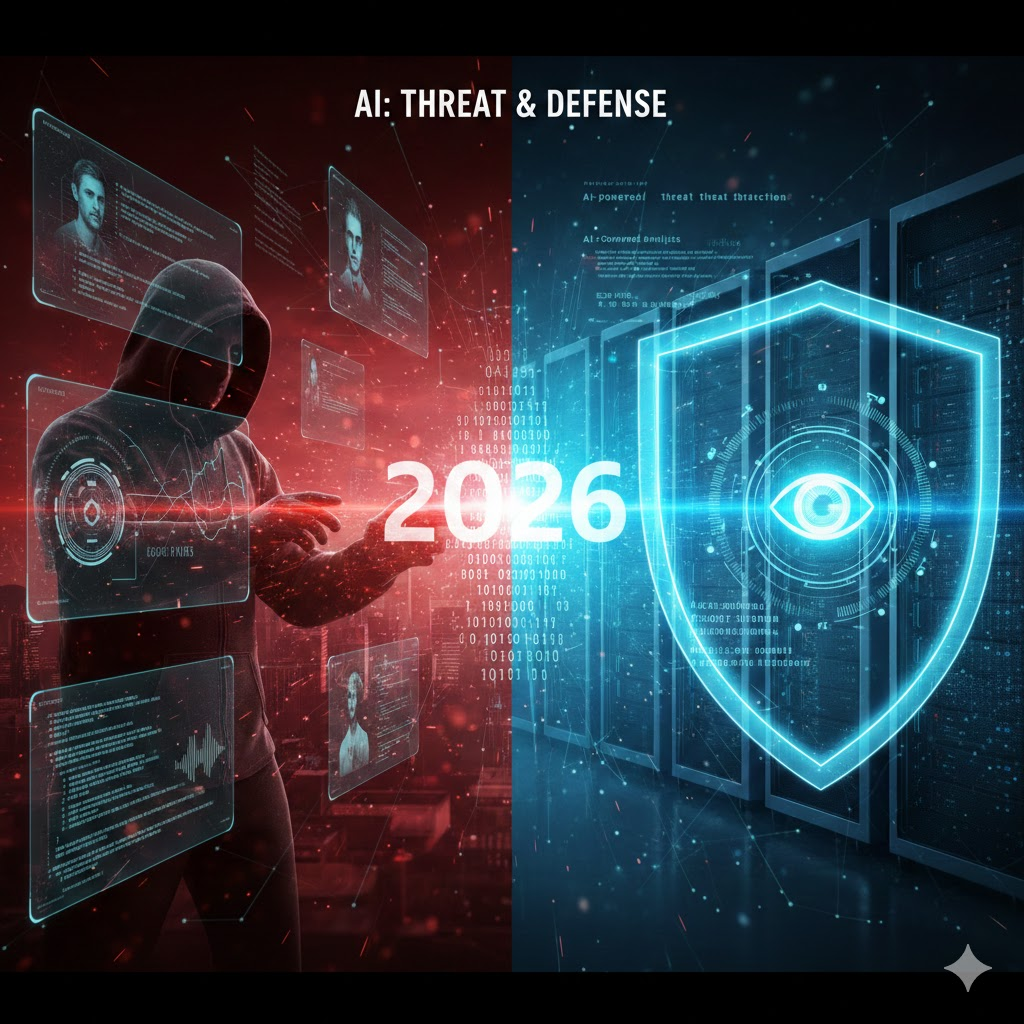
1. AI-Powered Cyberattacks Are Increasing
Artificial intelligence is transforming cybersecurity—but it is also empowering attackers.
Automated Phishing and Social Engineering
In 2026, cybercriminals are using AI to:
- Generate highly personalized phishing emails
- Mimic executive communication styles
- Create realistic voice deepfakes
- Launch large-scale automated campaigns
These attacks are harder to detect because they appear authentic and context-aware.
Defensive AI Becomes Essential
To counter AI-driven threats, organizations must deploy:
- AI-powered threat detection
- Behavioral analytics tools
- Real-time anomaly detection systems
AI is now both a threat and a critical defense mechanism in the evolving cybersecurity landscape.
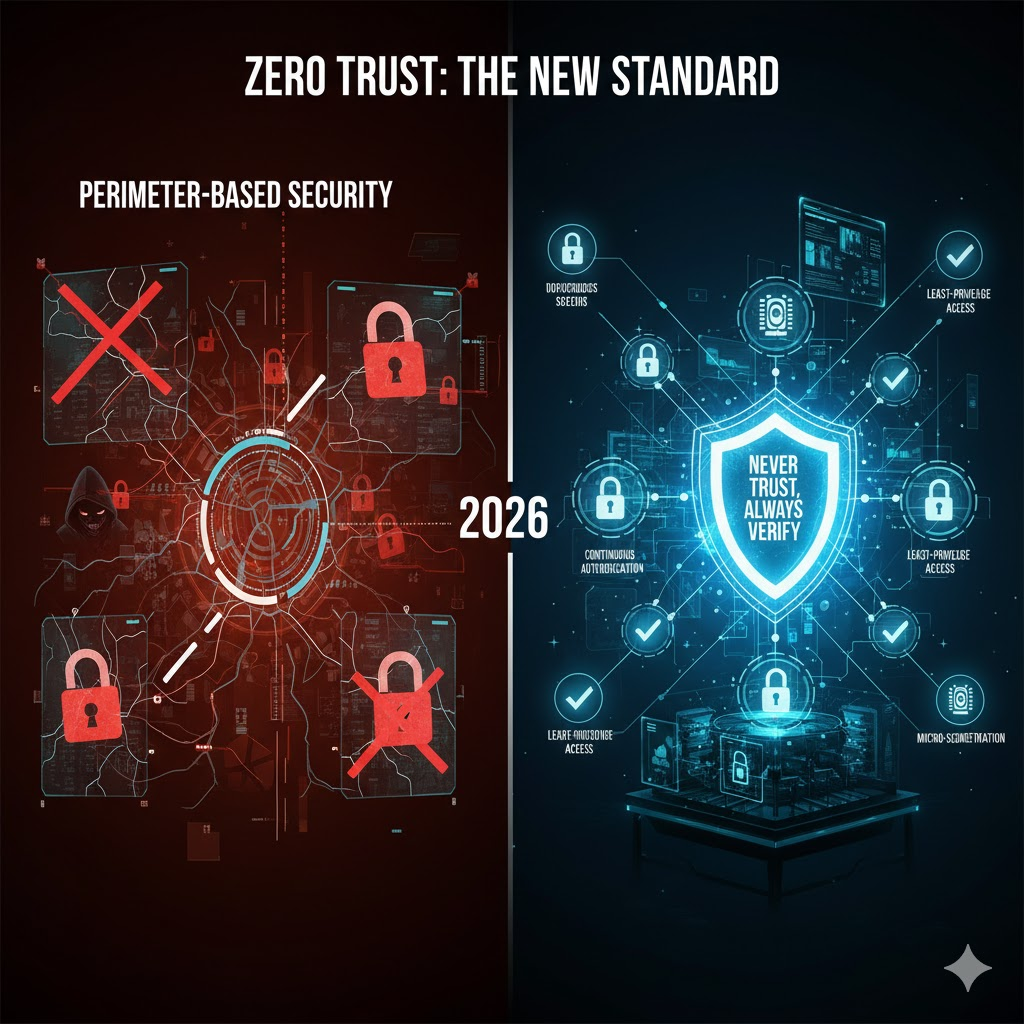
2. Zero Trust Architecture Becomes the Standard
One of the most significant cybersecurity trends 2026 is the widespread adoption of Zero Trust frameworks.
Why Perimeter Security Is No Longer Enough
Traditional perimeter-based security assumes internal networks are safe. However, with hybrid work and cloud adoption, this model is outdated.
Zero Trust operates on the principle of:
- “Never trust, always verify”
- Continuous authentication
- Least-privilege access
- Micro-segmentation
Businesses are implementing identity-centric security strategies to reduce attack surfaces.
3. Cloud Security Takes Center Stage
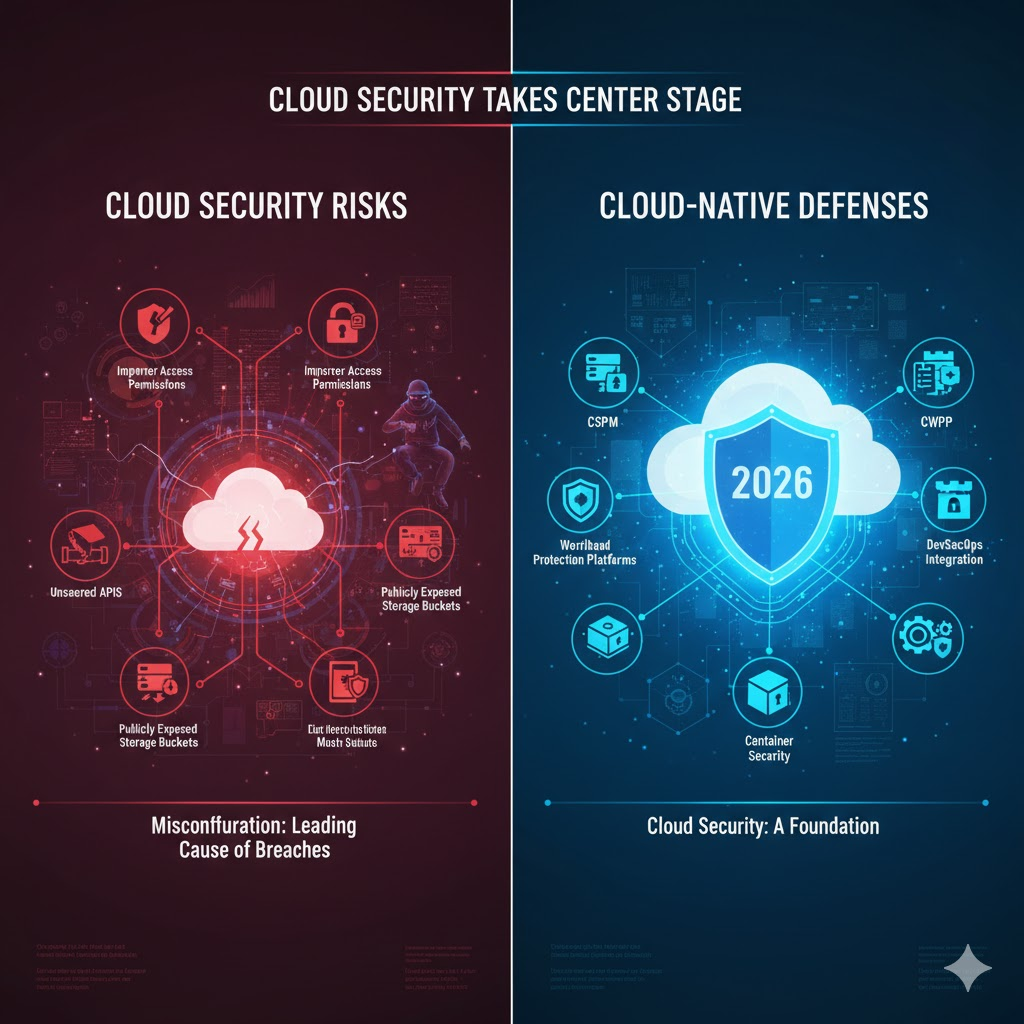
As enterprises migrate critical workloads to cloud and hybrid environments, cloud security risks grow.
Misconfiguration Remains a Major Risk
Common vulnerabilities include:
- Improper access permissions
- Unsecured APIs
- Publicly exposed storage buckets
Misconfigurations continue to be one of the leading causes of data breaches.
Cloud-Native Security Tools Expand
Organizations are investing in:
- Cloud Security Posture Management (CSPM)
- Cloud Workload Protection Platforms (CWPP)
- Container security solutions
- DevSecOps integration
Cloud security is now a fundamental part of cybersecurity strategies in 2026.
4. Ransomware Tactics Continue to Evolve
Ransomware remains one of the most disruptive cyber threats.
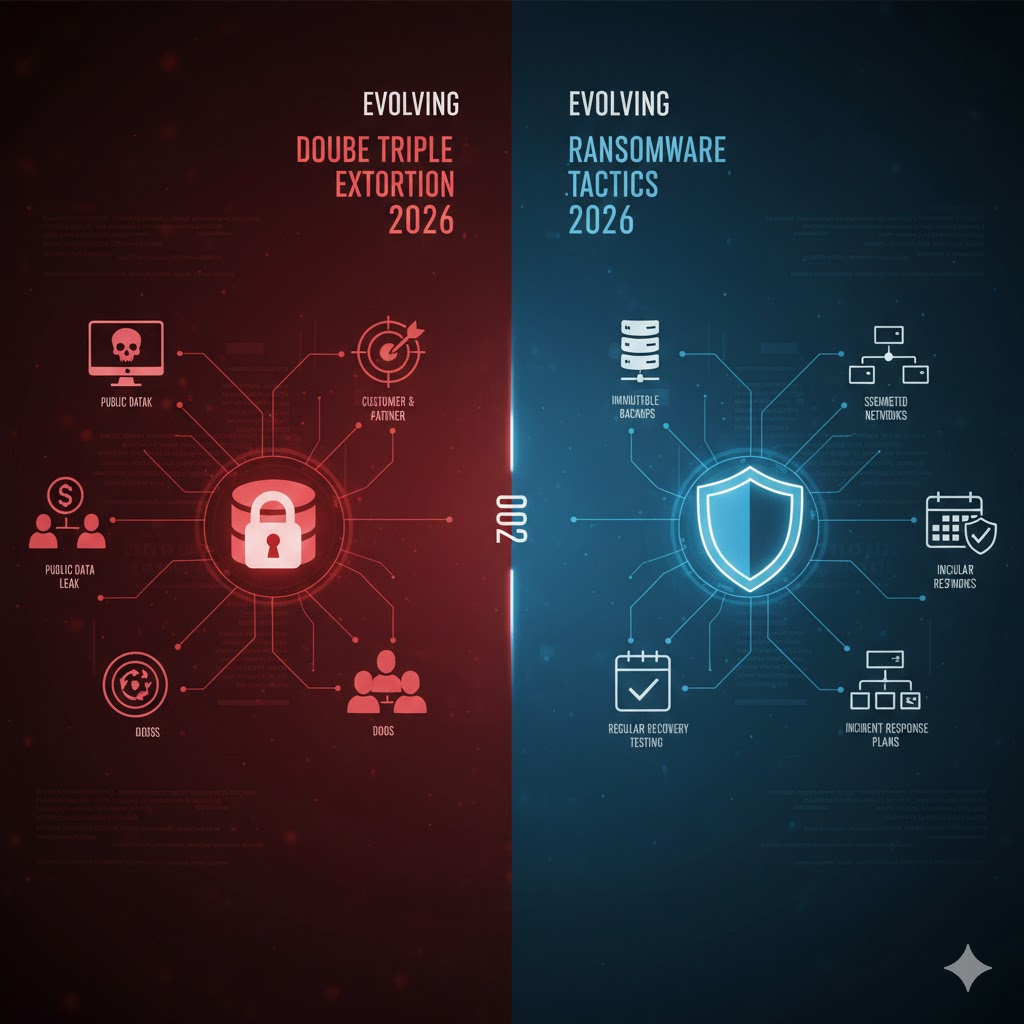
Double and Triple Extortion Attacks
Modern ransomware attacks often involve:
- Encrypting data
- Threatening public data leaks
- Targeting customers or partners
- Launching DDoS attacks simultaneously
These multi-layered tactics increase pressure on organizations to pay.
Strong Backup and Incident Response Planning
Businesses must strengthen resilience through:
- Immutable backups
- Segmented networks
- Regular recovery testing
- Comprehensive incident response plans
Preparation significantly reduces ransomware impact.
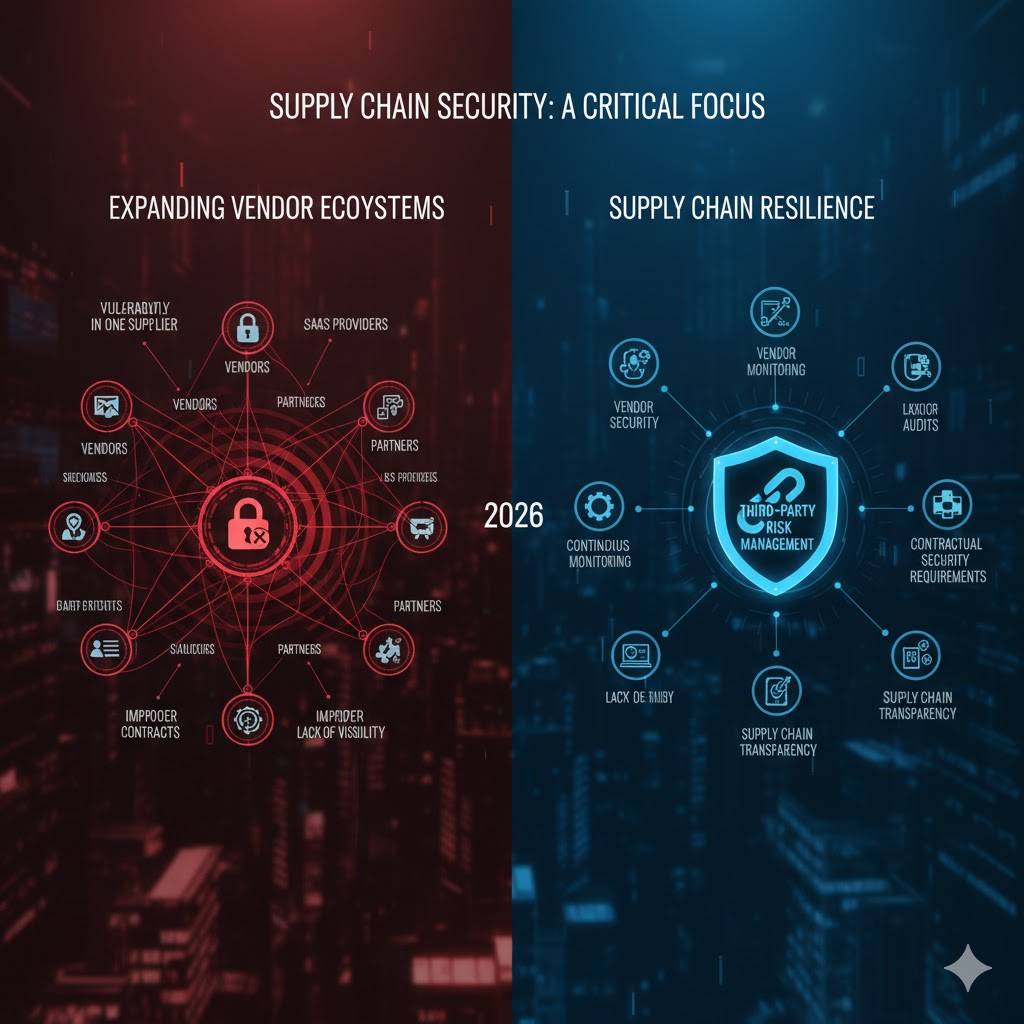
5. Supply Chain Security Becomes a Critical Focus
One of the fastest-growing cybersecurity trends 2026 involves third-party risk management.
Expanding Vendor Ecosystems
Enterprises rely heavily on vendors, SaaS providers, and external partners. A vulnerability in one supplier can compromise the entire network.
Third-Party Risk Assessments
Organizations are implementing:
- Vendor security audits
- Continuous monitoring
- Contractual security requirements
- Supply chain transparency tools
Supply chain resilience is now a strategic cybersecurity priority.
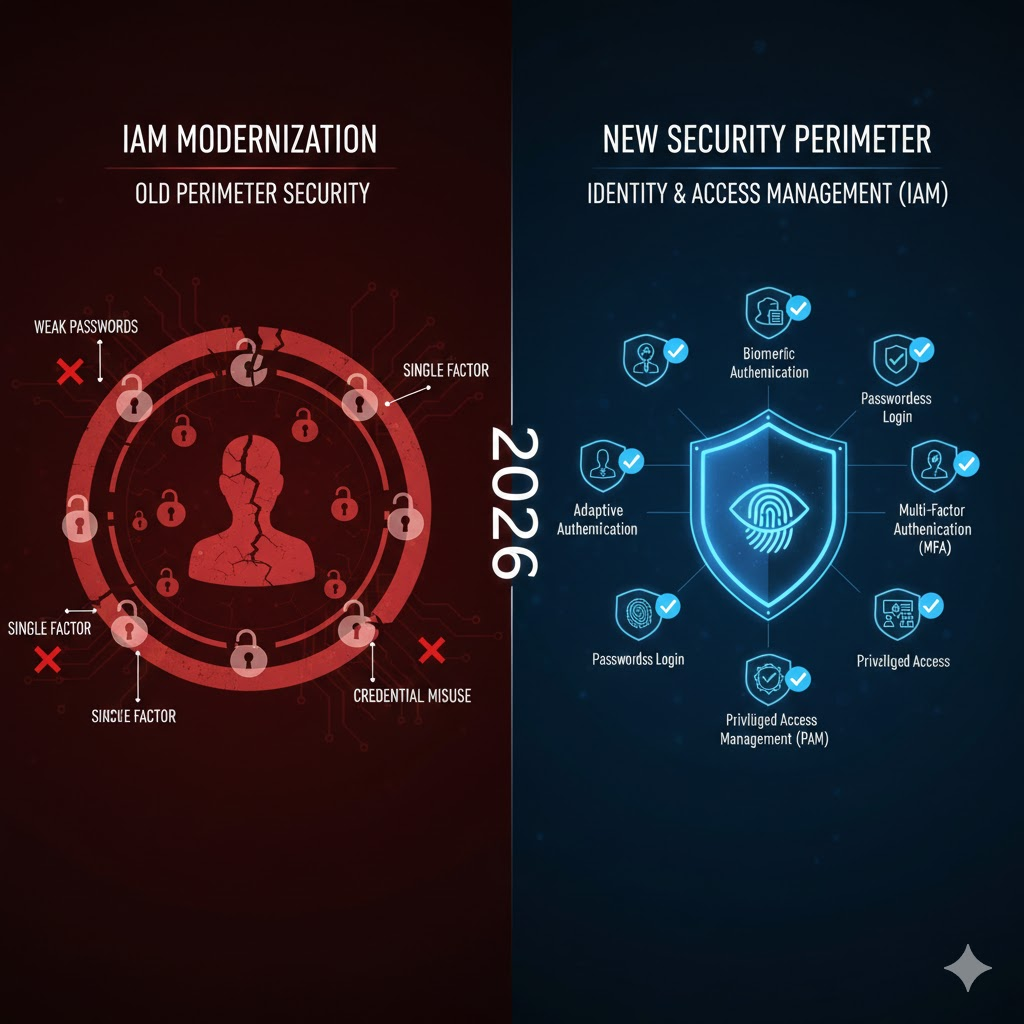
6. Identity and Access Management (IAM) Modernization
Identity has become the new security perimeter.
Multi-Factor Authentication (MFA) Everywhere
In 2026, MFA is considered a baseline security requirement rather than an optional feature.
Businesses are enforcing:
- Biometric authentication
- Adaptive authentication
- Passwordless login systems
Privileged Access Management (PAM)
Limiting administrative privileges reduces internal and external threat exposure. Strong IAM systems are central to modern cybersecurity trends 2026 strategies.
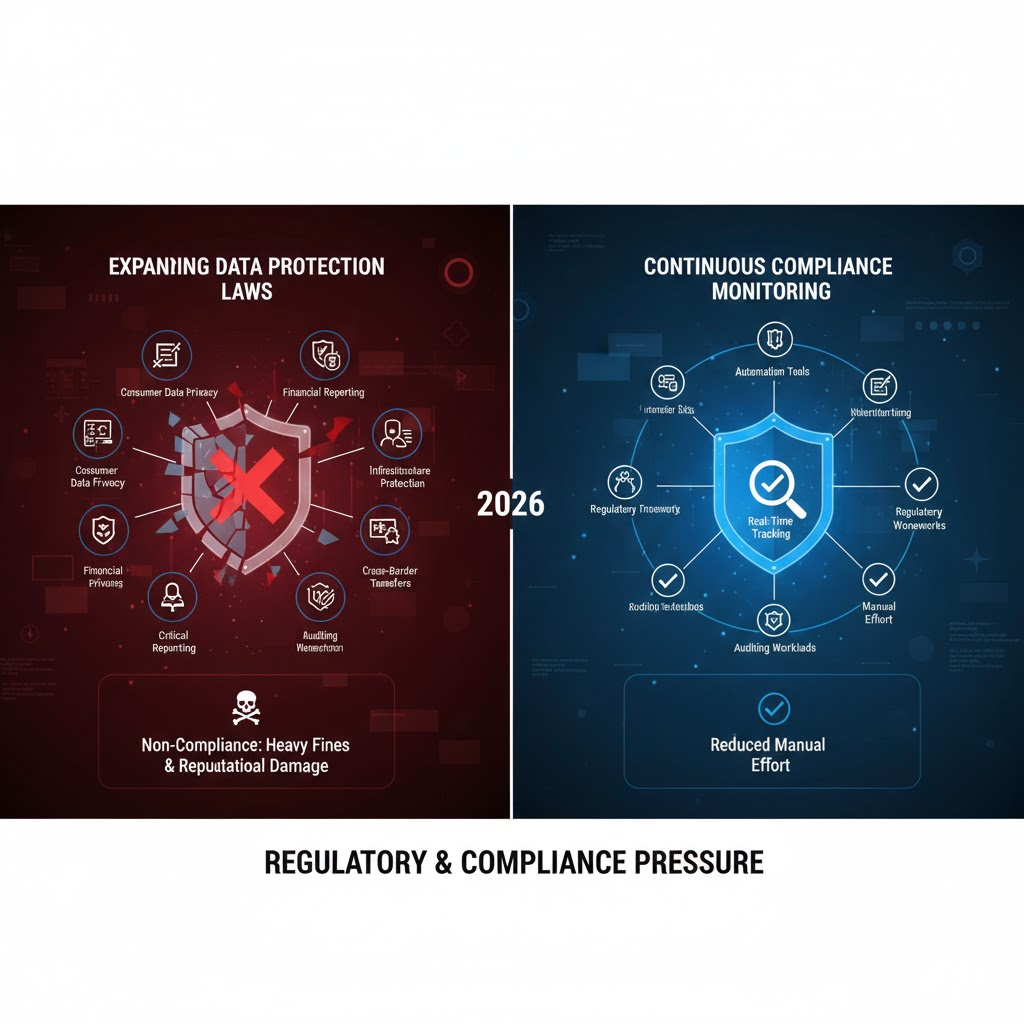
7. Regulatory and Compliance Pressure Increases
Governments worldwide are introducing stricter data protection and cybersecurity regulations.
Expanding Data Protection Laws
Businesses must comply with evolving frameworks covering:
- Consumer data privacy
- Financial reporting
- Critical infrastructure protection
- Cross-border data transfers
Non-compliance can result in heavy fines and reputational damage.
Continuous Compliance Monitoring
Automation tools now help organizations track compliance in real time, reducing manual auditing workloads.
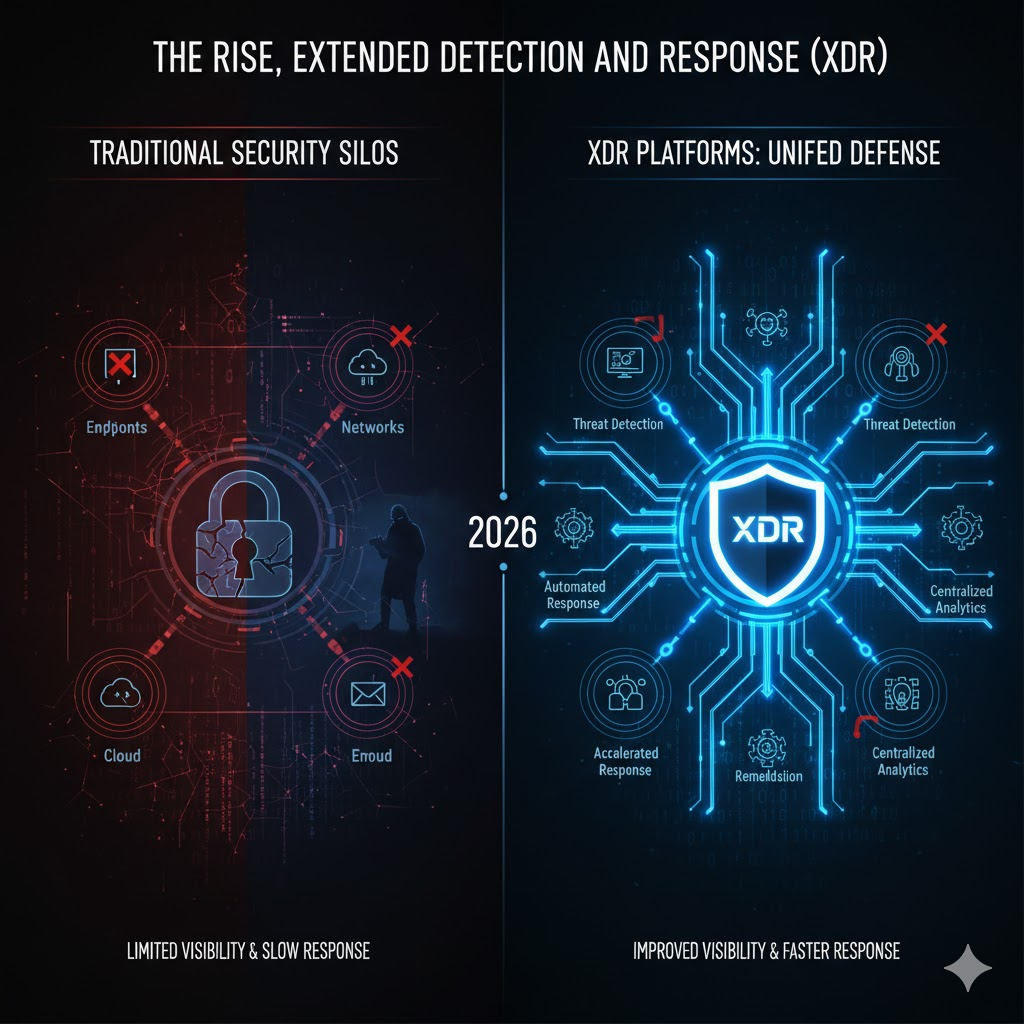
8. The Rise of Extended Detection and Response (XDR)
Traditional security tools often operate in silos. XDR platforms unify threat detection across:
- Endpoints
- Networks
- Cloud environments
- Email systems
XDR improves visibility and accelerates response times.
This integrated approach is one of the defining cybersecurity trends 2026 shaping enterprise defense strategies.
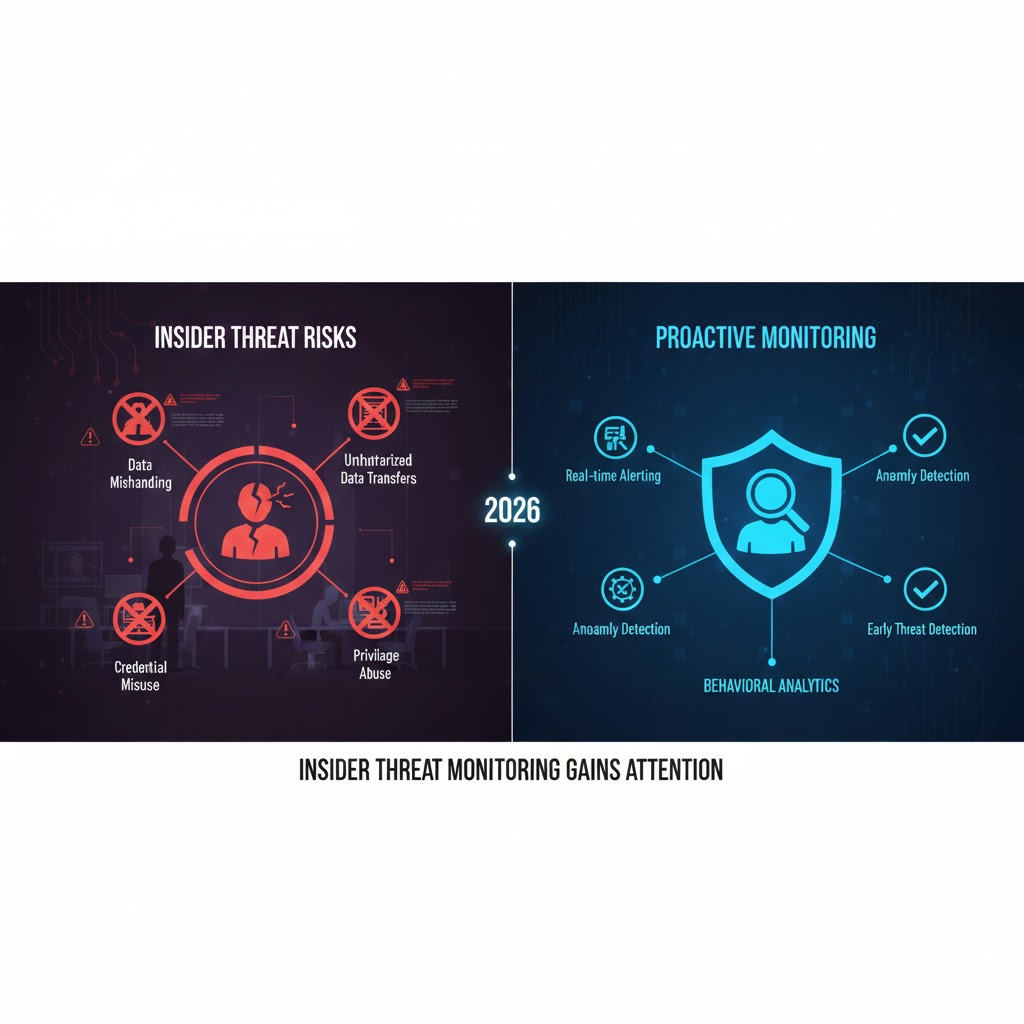
9. Insider Threat Monitoring Gains Attention
Not all threats originate externally.
Accidental and Malicious Insider Risks
Insider threats may include:
- Data mishandling
- Unauthorized data transfers
- Credential misuse
- Privilege abuse
Behavioral analytics tools help detect suspicious activity early.
10. Cybersecurity Workforce Shortage Continues
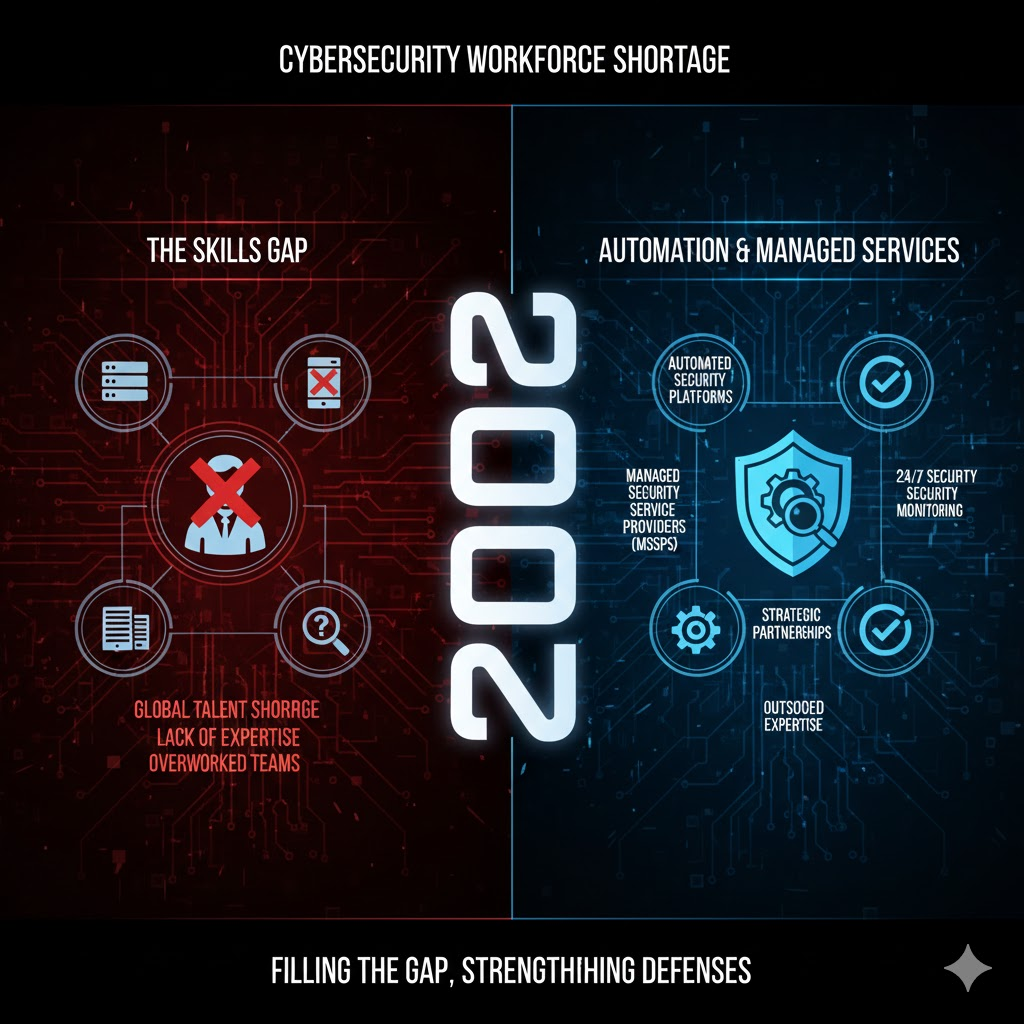
The global cybersecurity skills gap remains a significant challenge.
Automation and Managed Services Fill the Gap
To address talent shortages, organizations are:
- Leveraging automated security platforms
- Partnering with managed security service providers (MSSPs)
- Outsourcing 24/7 security monitoring
Strategic partnerships strengthen defense capabilities without expanding internal headcount.
11. Quantum-Resistant Encryption on the Horizon
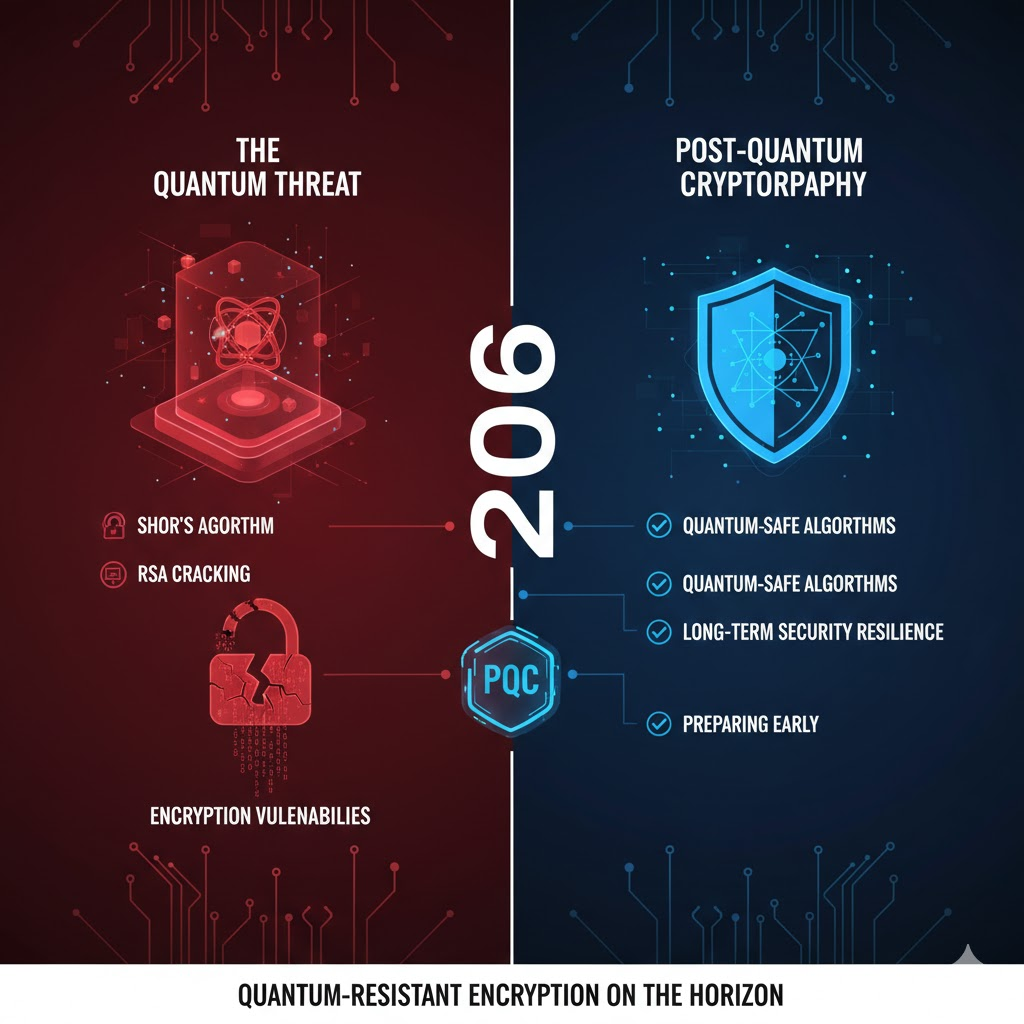
Although quantum computing is still developing, forward-thinking organizations are preparing for potential encryption vulnerabilities.
Post-Quantum Cryptography
Businesses are beginning to explore:
- Quantum-safe encryption algorithms
- Future-proof data protection strategies
Preparing early ensures long-term security resilience.
12. Security Awareness Training Becomes Continuous
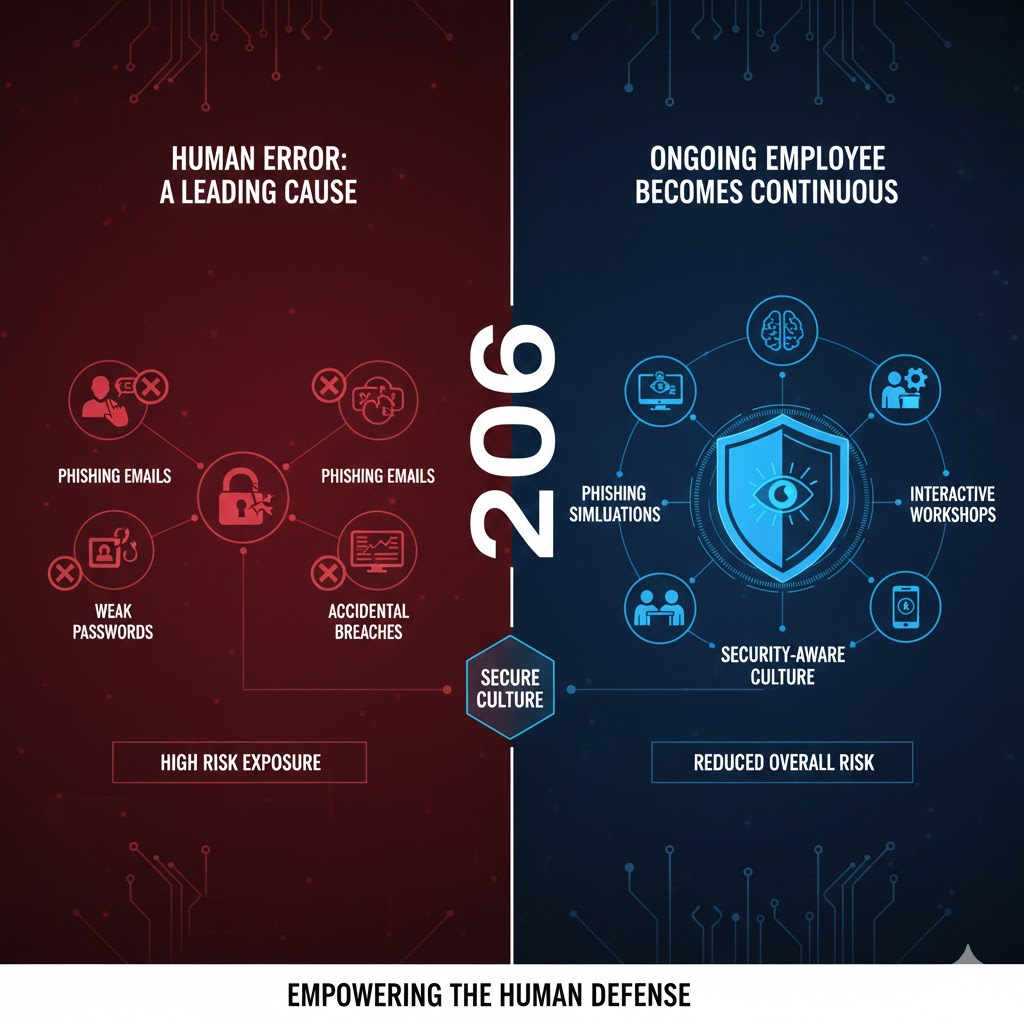
Human error remains one of the leading causes of breaches.
Ongoing Employee Education
Modern training programs include:
- Phishing simulations
- Interactive cybersecurity workshops
- Real-time alert education
Creating a security-aware culture reduces overall risk exposure.
How Businesses Should Respond to Cybersecurity Trends 2026
To remain protected, organizations should:
- Conduct comprehensive security assessments
- Adopt Zero Trust frameworks
- Strengthen cloud security governance
- Invest in AI-driven detection systems
- Regularly test disaster recovery and incident response plans
Cybersecurity must be proactive, not reactive.
The Strategic Role of Leadership in Cybersecurity
Executives play a vital role in cybersecurity governance.
Leadership should:
- Allocate sufficient budget for security investments
- Establish cross-department security accountability
- Integrate cybersecurity into overall business strategy
Cyber resilience is now directly linked to enterprise valuation and investor confidence.
Conclusion
The cybersecurity landscape in 2026 is more complex, automated, and interconnected than ever before. From AI-driven attacks and evolving ransomware tactics to Zero Trust adoption and supply chain vulnerabilities, the cybersecurity trends 2026 demand strategic attention from business leaders.
Organizations that proactively strengthen defenses, invest in advanced detection tools, and build a culture of security awareness will be better positioned to navigate emerging threats.
Cybersecurity is no longer a technical afterthought—it is a strategic business imperative.
FAST TRACT IT SERVICE L.L.C supports enterprises in navigating cybersecurity trends 2026 with advanced protection strategies, proactive monitoring solutions, and future-ready security frameworks designed to safeguard digital operations and ensure long-term resilience.