





FAST TRACT IT SERVICE L.L.C helps organizations identify when it’s time to conduct a comprehensive technology maturity assessment to strengthen digital capabilities, improve operational efficiency, and support long-term growth.
As businesses evolve, technology environments often expand rapidly—sometimes without strategic oversight. New tools, cloud platforms, cybersecurity solutions, and automation systems are added incrementally to meet immediate needs. Over time, this can create complexity, inefficiencies, and hidden risks.
A structured technology maturity assessment provides a clear evaluation of your organization’s current digital capabilities, identifies gaps, and outlines a roadmap for sustainable improvement.
If your company is experiencing any of the following signs, it may be time for a technology maturity assessment.
1. IT Strategy Feels Reactive Rather Than Strategic
One of the strongest indicators is when technology decisions are driven by urgent problems rather than long-term planning.
Symptoms of Reactive IT
- Frequent emergency upgrades
- Constant troubleshooting
- Budget overruns due to unplanned spending
- Lack of a documented IT roadmap
A technology maturity assessment evaluates whether your IT operations are aligned with business objectives or simply responding to issues as they arise. This evaluation often reveals whether your organization has a clearly defined and effective IT strategy for 2026 and beyond.

2. Limited Alignment Between IT and Business Goals
Technology should directly support organizational strategy.
Signs of Misalignment
- IT projects fail to deliver measurable ROI
- Business leaders lack visibility into IT initiatives
- Departments adopt tools independently without coordination
A technology maturity assessment identifies gaps between digital capabilities and executive goals, ensuring alignment across the organization.
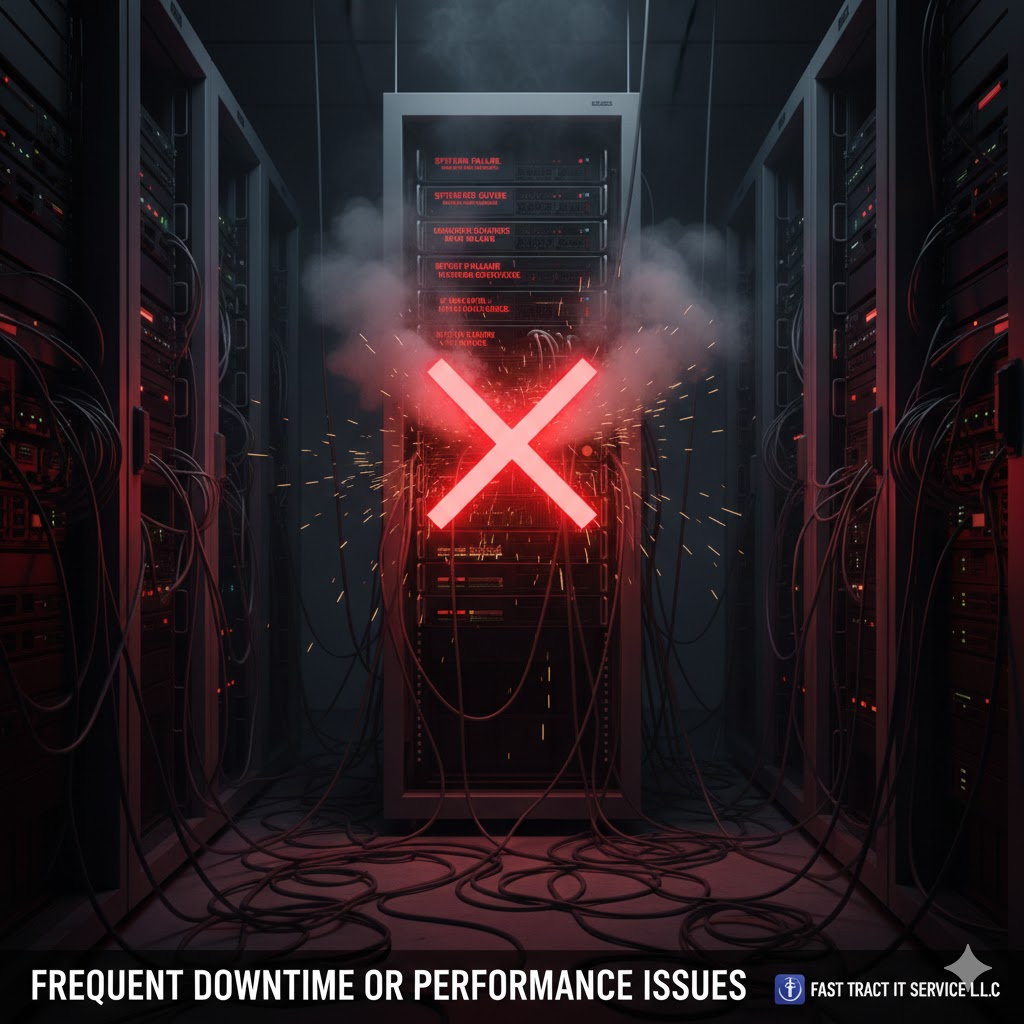
3. Frequent Downtime or Performance Issues
Infrastructure instability is a clear warning sign.
Operational Red Flags
- Slow application performance
- Unexpected system outages
- Network bottlenecks
- Delayed deployments
These issues often indicate outdated systems or insufficient scalability. A technology maturity assessment reveals weaknesses in infrastructure design and resilience planning.
4. Cybersecurity Incidents or Compliance Gaps
Security vulnerabilities signal the need for structured evaluation.
Warning Signs
- Increasing phishing incidents
- Outdated security policies
- Weak identity and access management
- Failed compliance audits
A comprehensive technology maturity assessment reviews cybersecurity posture, governance practices, and risk exposure to strengthen protection frameworks.

5. Rapid Growth Without Scalable Infrastructure
Business expansion introduces complexity.
Growth-Related Challenges
- Infrastructure struggles during traffic spikes
- Cloud costs increasing without clear oversight
- Difficulty integrating new tools
Organizations experiencing rapid growth should conduct a technology maturity assessment to ensure systems can scale efficiently and securely.

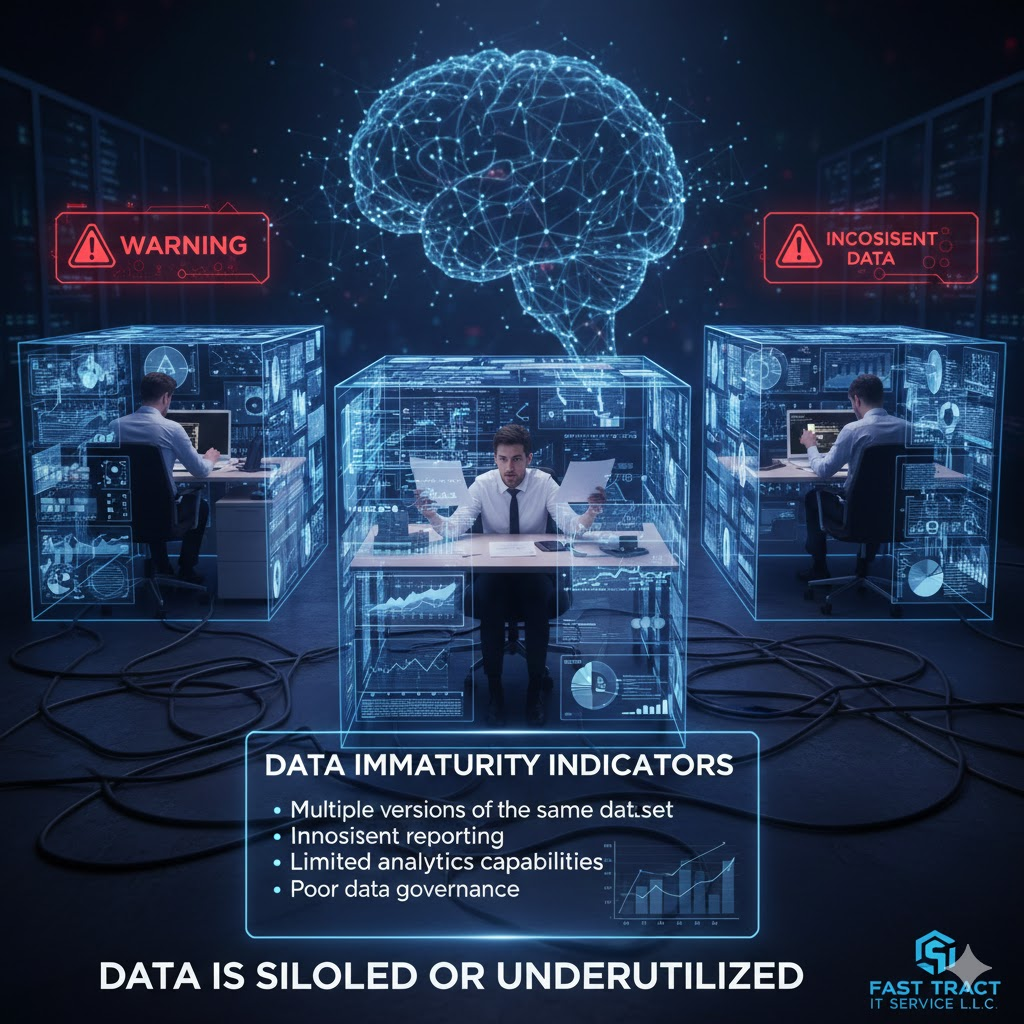
6. Data Is Siloed or Underutilized
Data should drive decision-making, not create confusion.
Indicators of Data Immaturity
- Multiple versions of the same dataset
- Inconsistent reporting
- Limited analytics capabilities
- Poor data governance
A technology maturity assessment evaluates data management practices and identifies opportunities to improve visibility and analytics performance.
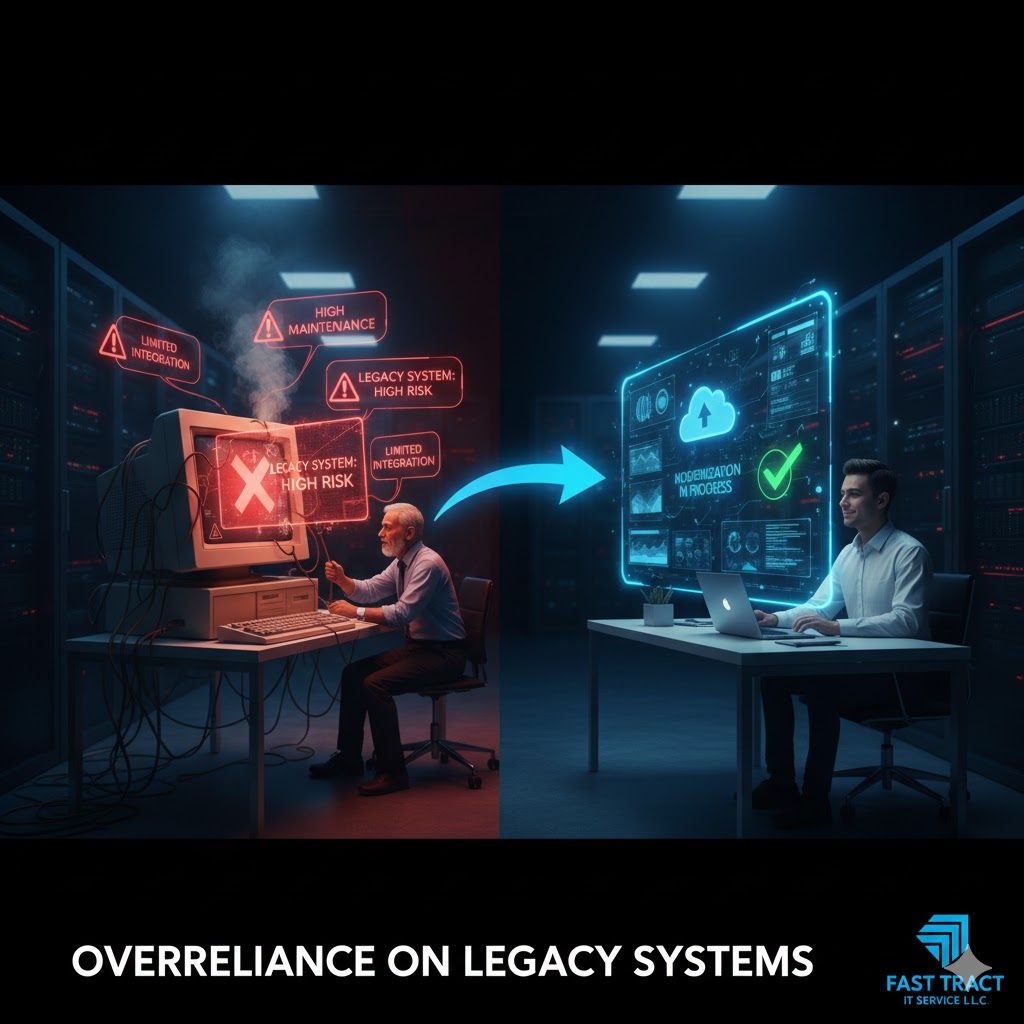
7. Overreliance on Legacy Systems
Outdated systems can slow innovation and increase risk.
Legacy System Risks
- High maintenance costs
- Incompatibility with modern tools
- Limited integration capabilities
- Security vulnerabilities
A technology maturity assessment determines whether modernization is necessary to maintain competitiveness.
8. IT Costs Continue Rising Without Clear Value
Technology investments should produce measurable returns.
Financial Warning Signs
- Uncontrolled cloud spending
- Redundant software subscriptions
- Hardware maintenance costs exceeding replacement value
An assessment identifies inefficiencies and provides cost optimization recommendations, helping leadership focus on aligning IT investment with business objectives to ensure measurable returns.

9. Lack of Automation and Process Efficiency
Manual processes increase operational risk and slow growth.
Signs of Low Automation
- Manual data entry across systems
- Repetitive IT tasks
- Delayed provisioning of new resources
A technology maturity assessment measures automation readiness and identifies opportunities for digital transformation.

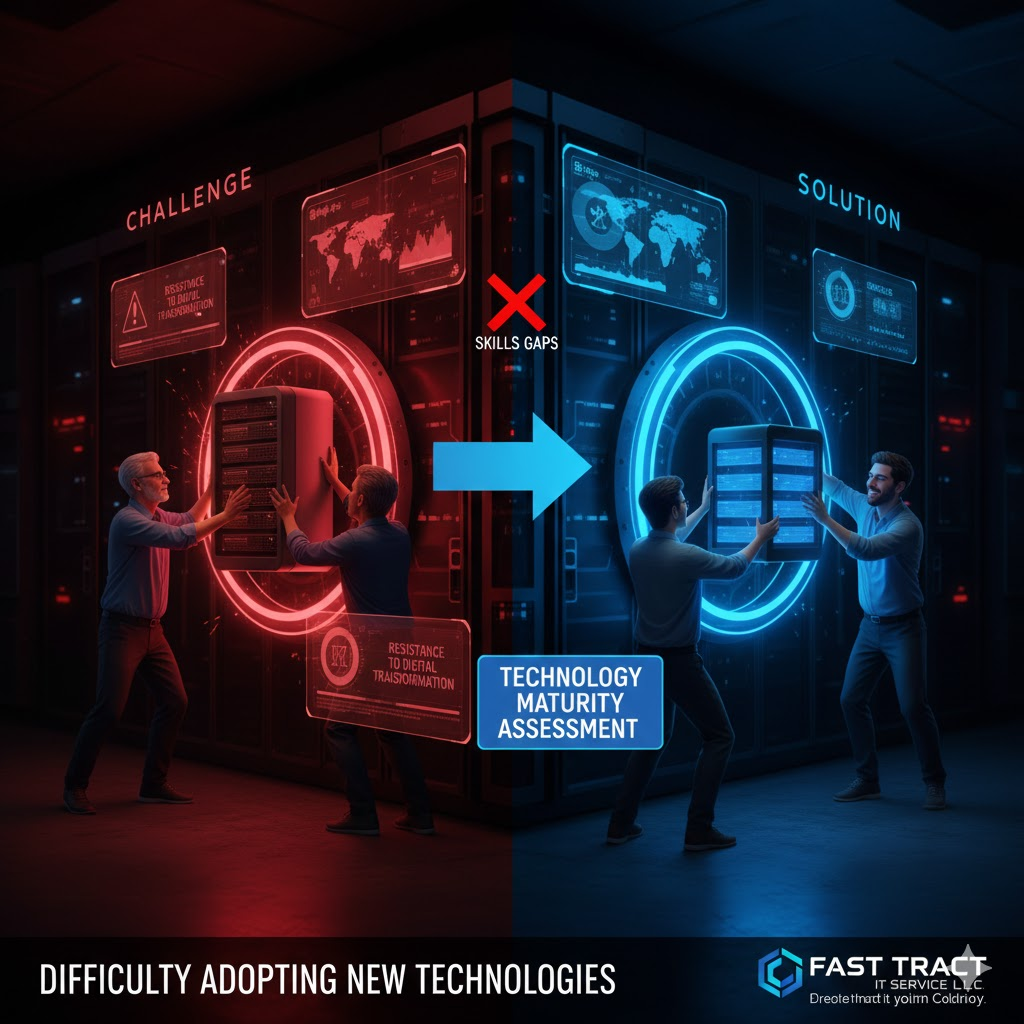
10. Difficulty Adopting New Technologies
Innovation should not disrupt stability.
Adoption Challenges
- Resistance to digital transformation
- Slow deployment of new tools
- Integration failures
- Skills gaps within IT teams
A technology maturity assessment highlights cultural, technical, and structural barriers to innovation.
11. No Clear Disaster Recovery or Business Continuity Plan
Resilience is essential in modern enterprises.
Continuity Red Flags
- Infrequent backup testing
- Undefined recovery time objectives (RTO)
- Lack of incident response documentation
A technology maturity assessment evaluates resilience planning and disaster recovery readiness.

12. Executive Leadership Lacks IT Visibility
Boards and executives require insight into digital risk and performance.
Governance Gaps
- Limited reporting metrics
- Unclear cybersecurity posture
- No formal digital risk management framework
A technology maturity assessment strengthens governance transparency and executive decision-making.

What a Technology Maturity Assessment Evaluates
A structured assessment typically reviews:
- Infrastructure scalability
- Cybersecurity posture
- Cloud governance
- Data management maturity
- Automation and DevOps practices
- Compliance readiness
- IT governance alignment
The goal is to measure current capability levels and define a strategic improvement roadmap.
The Business Benefits of Conducting a Technology Maturity Assessment
Organizations that complete a technology maturity assessment gain:
- Clear visibility into digital strengths and weaknesses
- Reduced operational risk
- Improved cost efficiency
- Stronger cybersecurity posture
- Better alignment between IT and business strategy
- Enhanced scalability for growth
This proactive approach transforms IT from a reactive cost center into a strategic growth engine.
When Is the Right Time to Conduct an Assessment?
Ideal moments include:
- Before major digital transformation initiatives
- After a cybersecurity incident
- During rapid expansion
- Prior to mergers or acquisitions
- When preparing for compliance audits
Timing matters. Conducting a technology maturity assessment before problems escalate saves significant long-term costs.
Preparing for the Future with Technology Maturity
In 2026 and beyond, organizations must continuously evolve to stay competitive. AI integration, cloud expansion, and cybersecurity advancements require ongoing evaluation.
A technology maturity assessment is not a one-time exercise—it should be part of continuous improvement planning.

Conclusion
Technology complexity grows as organizations scale. Without clear visibility and structured evaluation, inefficiencies, risks, and misalignment can quietly undermine growth.
Recognizing the signs—reactive IT, rising costs, performance issues, security gaps, and limited automation—indicates it may be time for a technology maturity assessment.
Proactively evaluating your digital environment enables smarter investment decisions, stronger resilience, and long-term operational stability.
FAST TRACT IT SERVICE L.L.C partners with enterprises to conduct comprehensive technology maturity assessment programs that deliver actionable insights, strengthen infrastructure, and align technology strategy with executive growth objectives.